Rome — As I Remember
Rome — As I Remember
By The Reading Room / Travel & Literature
Some cities you visit. Rome, you read. Every street corner is a footnote, every ruin a half-finished sentence left by someone who assumed you’d already know how the story ends. I had just a day and a half to walk through it — camera in one hand, and somewhere in the back of my mind, a running list of every poet, playwright, and preacher who had stood roughly where I was standing and decided the moment was worth writing down.
This is what stayed with me, place by place.
The Colosseum
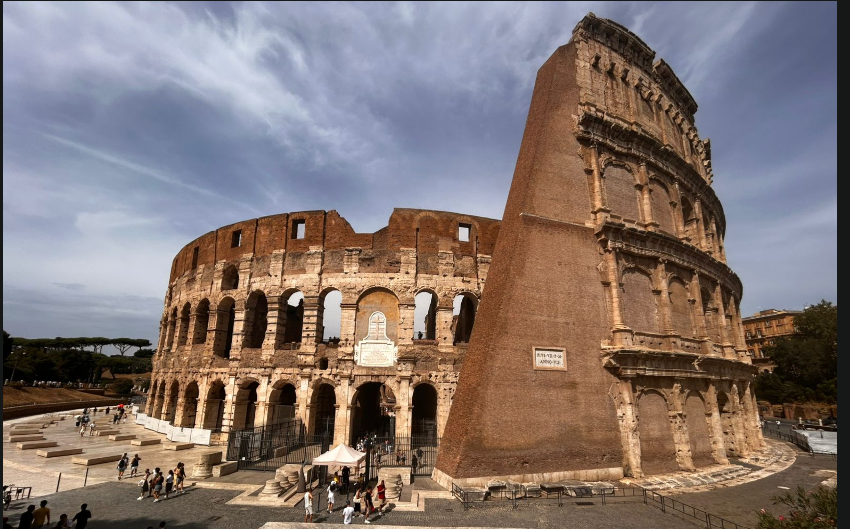
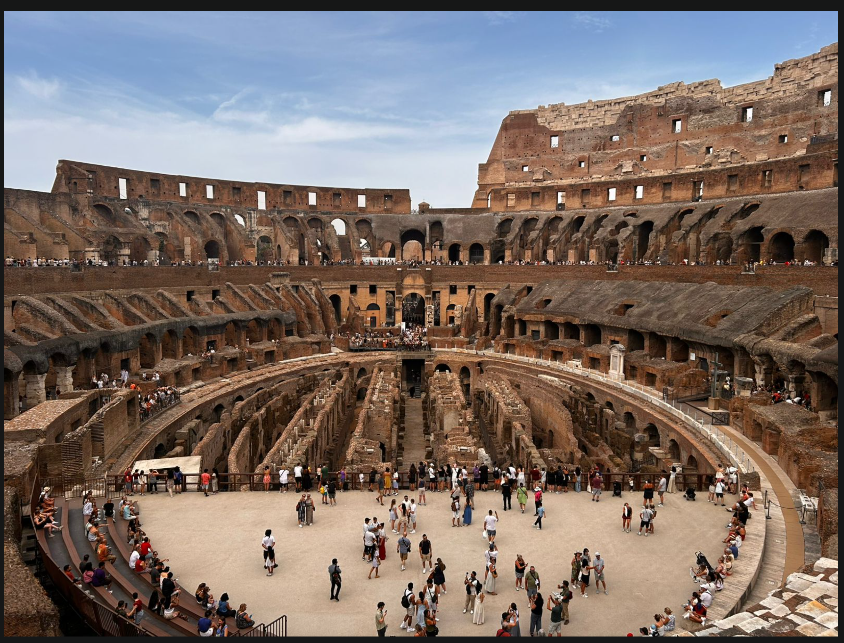
No photo prepares you for how big it actually is. Standing at the base, you get why people never had to exaggerate when describing it — the Roman poet Martial wrote a whole book of poems, the Liber Spectaculorum, just trying to capture what it felt like watching 50,000 people fill this place. It wasn’t just a building for games. It was something writers kept coming back to. And we still do — every gladiator movie, every “based on true events” epic, owes it something.
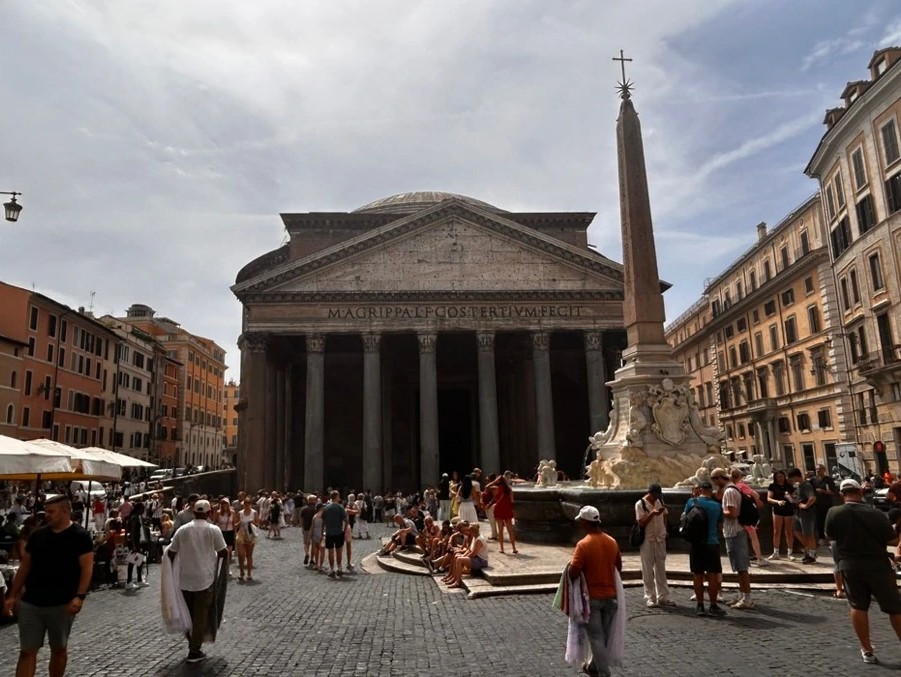
The Pantheon
You notice the inscription before you notice the building — M·AGRIPPA·L·F·COS·TERTIVM·FECIT. It’s a strange thing, realizing the oldest line of text most visitors read all day is a dedication plaque. The real literary weight comes later, though. Centuries after it was built, Dante borrowed the Pantheon’s geometry — its circles, its single shaft of light — for the cosmology of Paradiso. An architect’s dome ended up shaping how a poet imagined heaven.
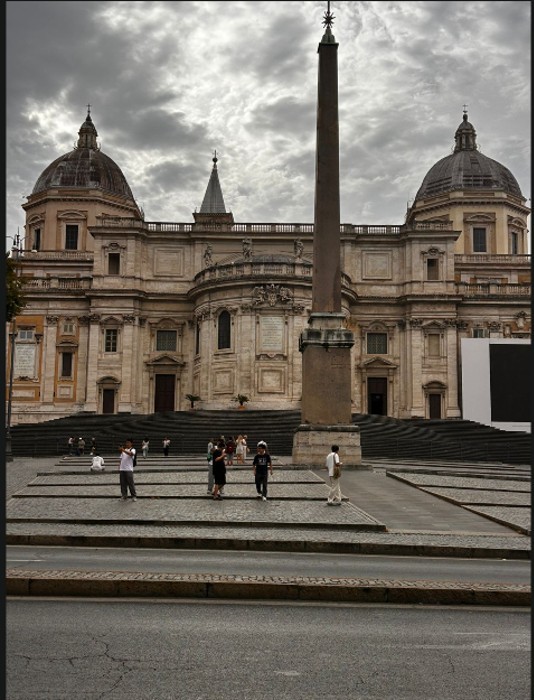
Santa Maria Maggiore
Fewer visitors make it here than to St. Peter’s, but it’s no less layered. Its Baroque facades and the obelisk out front sit on top of centuries of ecclesiastical Latin — the kind of writing that shaped how the Church told its own story to the West. Liturgy, chronicle, hagiography, all blurring into one long tradition that ran quietly alongside the Empire’s more famous poets, and shaped how Europe read for a thousand years just as deeply.
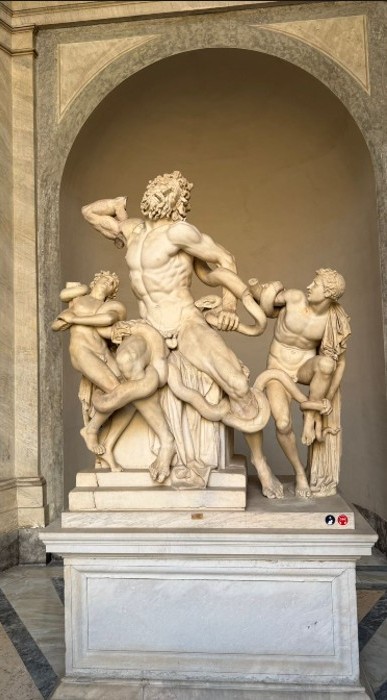
The Vatican Museums and the Laocoön
I stood in front of the Laocoön longer than I meant to. When it was dug up in 1506, it didn’t just excite sculptors — it went off like a small explosion through Renaissance literature. Michelangelo saw it and it changed how he thought about the human body in pain; critics for the next three hundred years used it as their benchmark for how suffering should be made legible in art. Virgil had already written Laocoön into the Aeneid — the priest crushed by serpents for warning Troy about the wooden horse. Finding the statue felt like discovering a footnote that had been buried in marble the whole time.
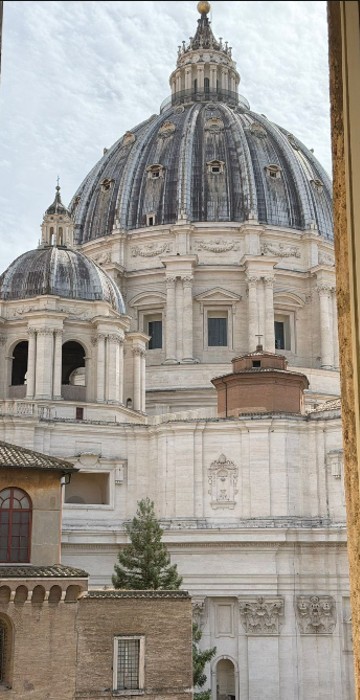
St. Peter’s Dome
From a window near the top, looking out at Michelangelo’s dome against the sky, it’s hard not to think about how much Western storytelling runs directly through this one skyline — pilgrimage accounts, the diaries of Grand Tour writers like Goethe and Dickens, who came here specifically to be changed and went home to write about the change for readers who’d never leave their own countries.
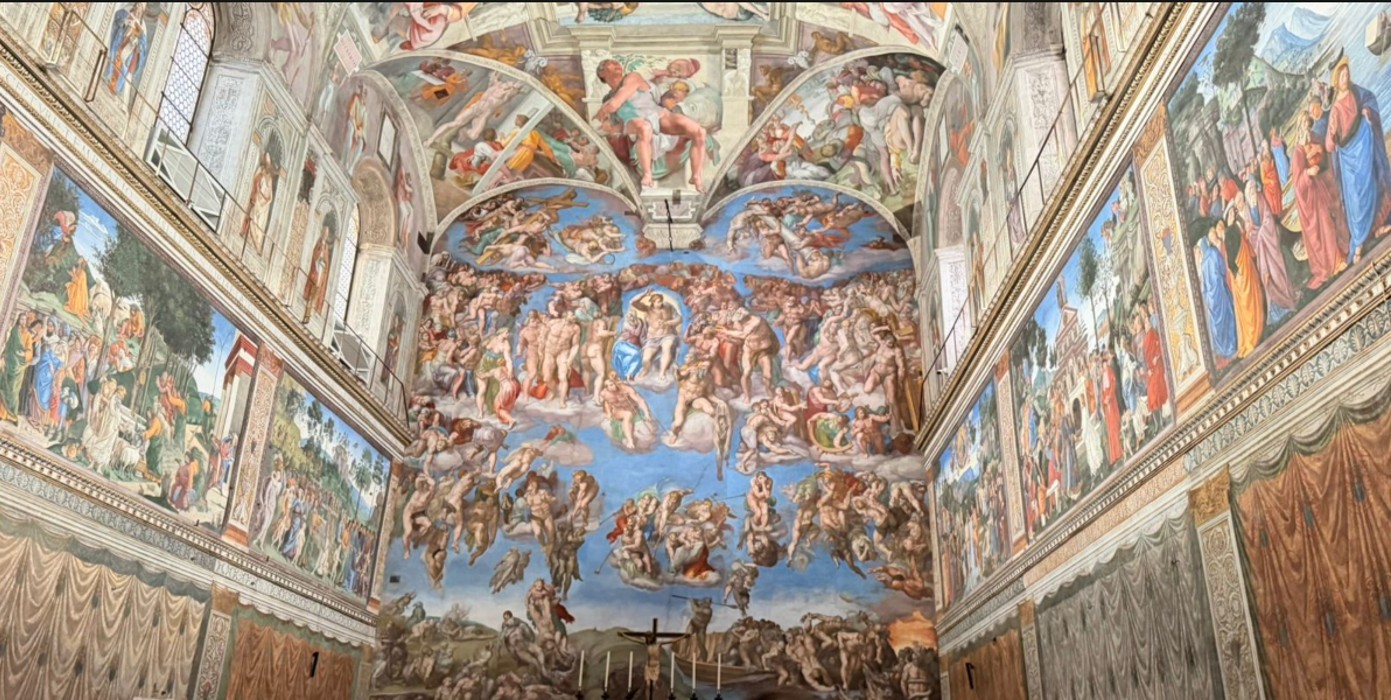
The Sistine Chapel
By this point I was walking on empty — a full day on my feet, legs done, mind half-checked-out. And then our guide started talking about Michelangelo, about how he actually built this, lying on his back on scaffolding for years, and something in me woke back up. It felt less like hearing history and more like watching him do it, right there above us. Then we stepped into the chapel itself, and the noise just dropped away. Standing in that quiet, facing the wall with Christ at its center, was the moment that made the whole exhausting day worth it.
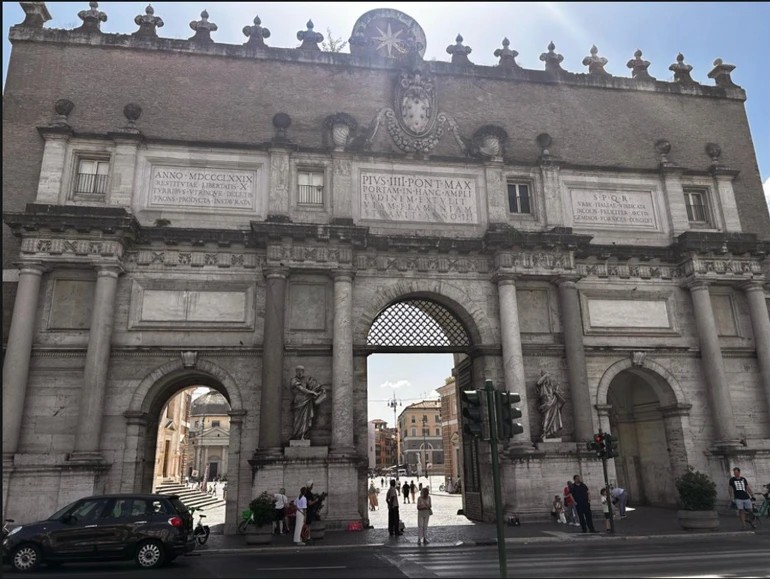
Porta del Popolo
This is where the story used to begin, literally. For centuries, Porta del Popolo was the northern gate almost every traveler passed through to enter Rome — pilgrims, exiles, and later the Grand Tour writers, arriving road-worn and stepping straight through this arch into the city’s mythology. Goethe wrote about the moment with something close to reverence. Standing under its inscriptions myself, it struck me that this gate has been a literary threshold for longer than it’s been a physical one.
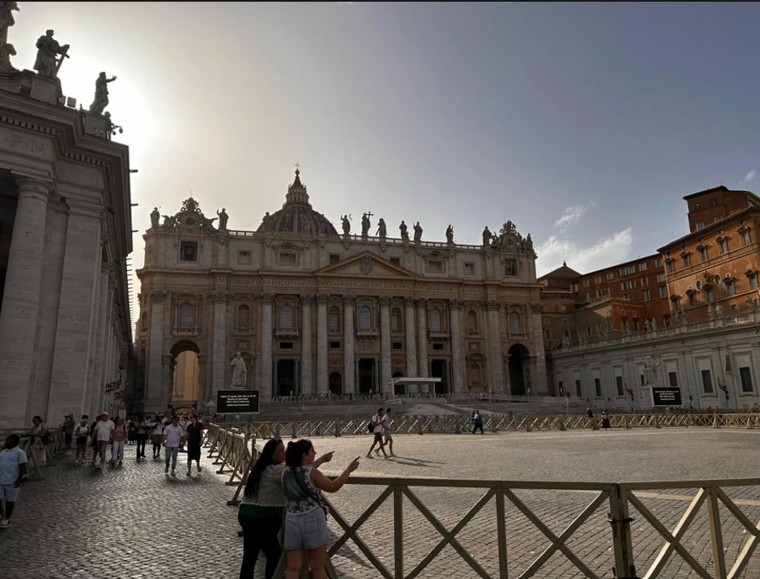
St. Peter’s Basilica
No square on earth has been described and re-described quite like this one. Travel writers, theologians, novelists — centuries of them trying to pin down that first sightline, the colonnades folding you in, the dome rising behind a facade too big to photograph properly. Visiting Rome and failing, gracefully, to find new words for St. Peter’s has practically become a rite of passage. I understood the impulse the second I stepped into the piazza. You don’t really describe it. You just attempt it.
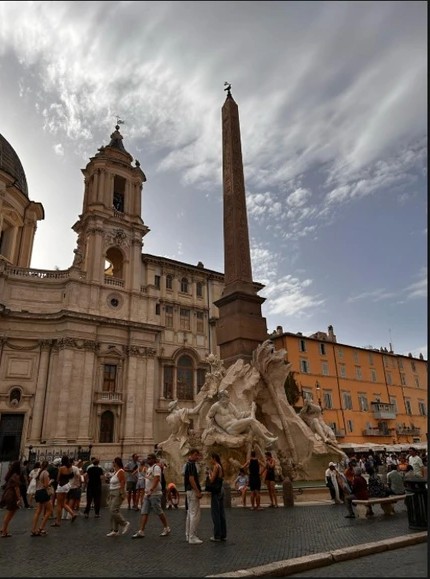
Piazza Navona
The square still holds the shape of the ancient stadium underneath it — Domitian’s old arena for athletic contests, now home to Bernini’s Fountain of the Four Rivers and an Egyptian obelisk that has outlasted every empire that ever claimed it. A space built for spectacle turned into a space for sculpture, and the sculpture here still feels like it’s telling a story. Bernini’s river gods look caught mid-sentence — Baroque Rome’s version of an epic frozen at its most dramatic line.
What Rome Actually Gave Us
Walking through all of this, I realized Rome’s gift to literature was never just one golden age. It happened in waves. First came the great poets of Rome itself — Virgil, Ovid, Cicero — who shaped how the Western world writes. Then the Church kept that tradition alive through centuries when almost nothing else survived. Later, Dante and Petrarch took what Latin had built and turned it into Italian poetry. Then the Renaissance came along, rediscovered old texts and statues like the Laocoön, and lit a fire across Europe. And ever since, travelers have kept coming, standing where I stood, and going home determined to write their best sentence about it.
Rome doesn’t just have a literary history. It is one — layered, half-buried, and still being added to, one exhausted, thrilled visitor at a time.