Best Books That Predicted Future
Best Books That Predicted Future
By The Reading Room / Life & Habits
Long before AI, video calls, virtual worlds and mass surveillance, writers were already imagining them. Were they predicting the future, or simply understanding people well enough to see where we were heading?
Some of these resemblances are coincidences, and others are logical extrapolations from changes already visible at the time. Still, these books show that great writers sometimes see the direction of change long before the rest of us.
Technology & AI
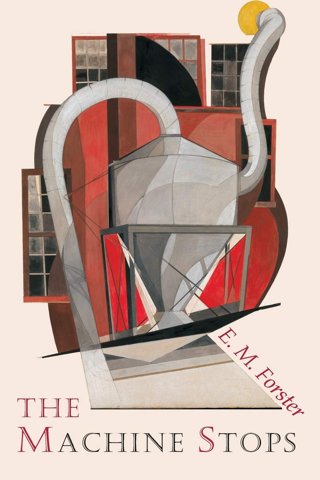
E. M. Forster, 1909
People live alone in separate rooms, talking through screens and relying on one vast machine for everything. It reads like a warning about video calls and our dependence on the network itself.
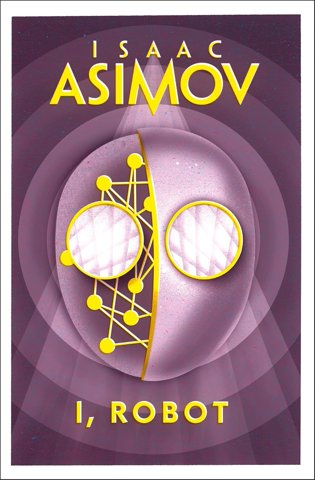
Isaac Asimov, 1950
Asimov's robot stories were among the first to ask how intelligent machines should be governed, with his famous Three Laws. That question now sits at the heart of AI safety.
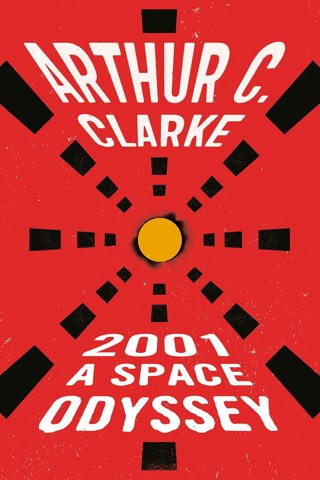
Arthur C. Clarke, 1968
HAL 9000 speaks naturally and understands instructions, long before voice assistants and generative AI. The deeper question is how far we should trust machines with important decisions.
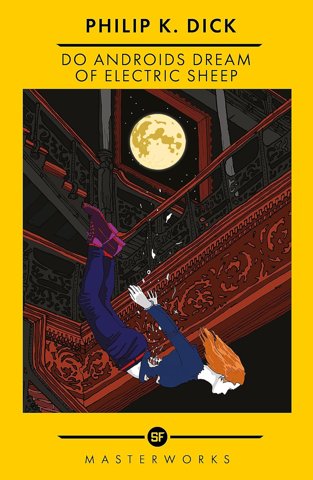
Philip K. Dick, 1968
Artificial beings almost indistinguishable from humans raise the question of what makes us human. We don't have his androids yet, but the problem has already arrived.
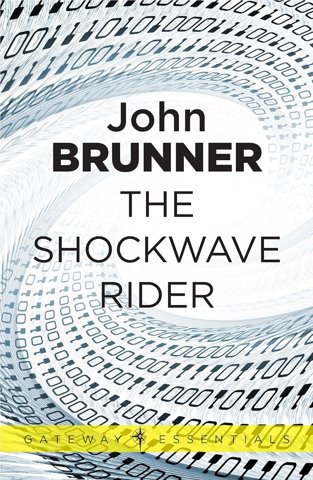
John Brunner, 1975
Brunner imagined hacking across computer networks and coined the idea of a self-replicating “worm.” Computer worms later became a very real part of cybersecurity.
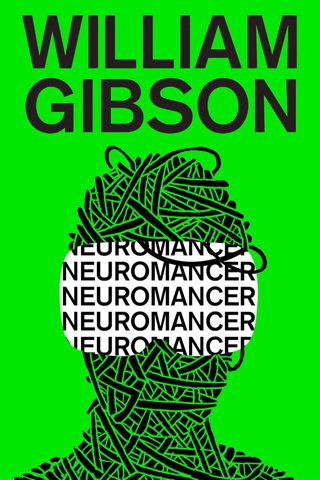
William Gibson, 1984
Gibson popularized the word “cyberspace” before most homes had internet access. Fiction didn't just predict the technology; it gave us the language for it.
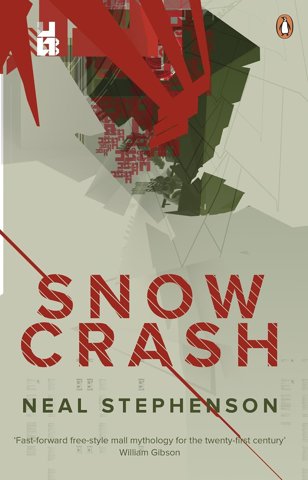
Neal Stephenson, 1992
People meet as avatars in a shared virtual world called the Metaverse. Today's virtual worlds are far behind, but the resemblance is hard to miss.
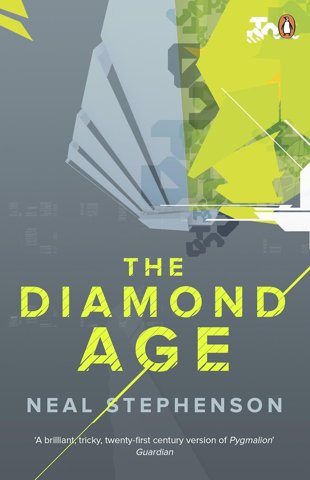
Neal Stephenson, 1995
An interactive book adapts itself to teach the child using it. AI tutors and personalized learning tools are now exploring the same idea.
Surveillance & Control
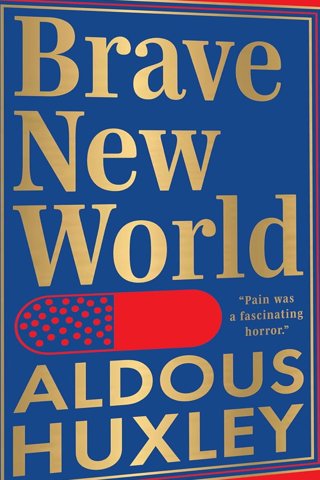
Aldous Huxley, 1932
Citizens are kept content with comfort, entertainment and conditioning rather than fear. Huxley asked whether people could give up freedom simply because comfort makes them stop caring.
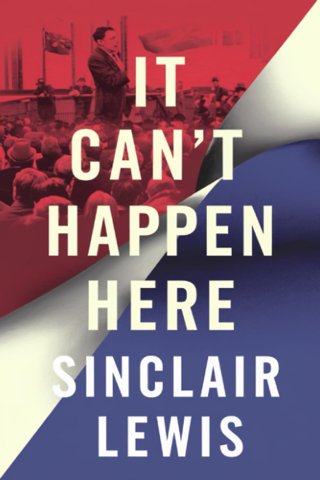
Sinclair Lewis, 1935
A charismatic populist wins the presidency and gradually dismantles American democracy. The book returns to bestseller lists whenever politics turns turbulent.
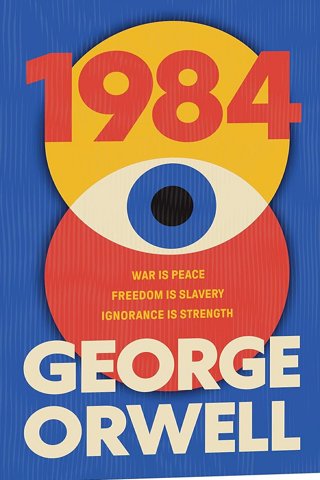
George Orwell, 1949
Constant surveillance, rewritten history and a language designed to limit thought. Orwell's sharpest insight was that controlling information can mean controlling reality.
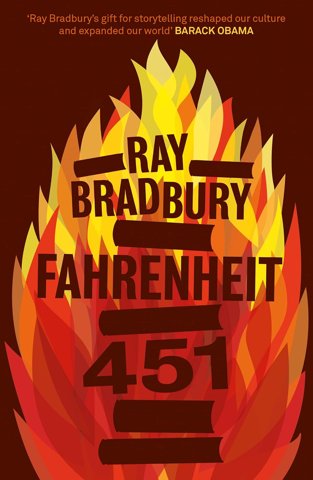
Ray Bradbury, 1953
Wall-sized screens and “seashell” earpieces fill Bradbury's world. His warning was less about censorship than about entertainment crowding out serious thought.
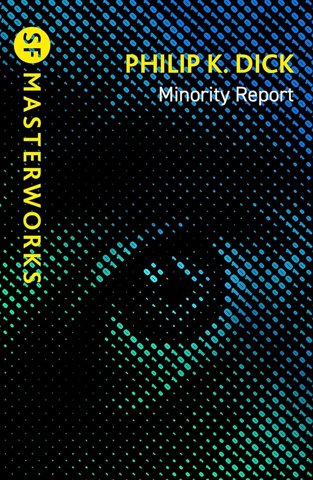
Philip K. Dick, 1956
Police arrest people for crimes they are predicted to commit. Real predictive policing works differently, but the ethical dilemma is the same.
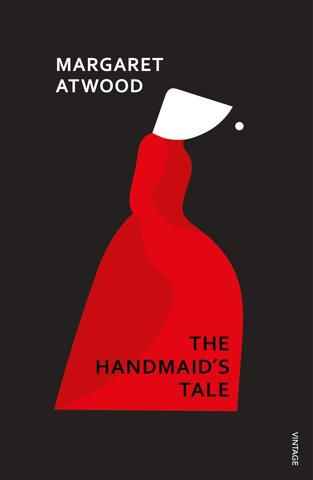
Margaret Atwood, 1985
A regime seizes control over women's bodies and reproduction. Atwood built it from real historical precedents, which is why it still feels so current.
Climate & Society
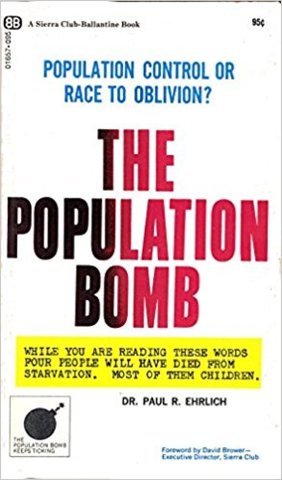
Paul Ehrlich, 1968
Ehrlich predicted mass famine from overpopulation, and most of his specific forecasts did not come true. It's a useful reminder that not every prediction lands.
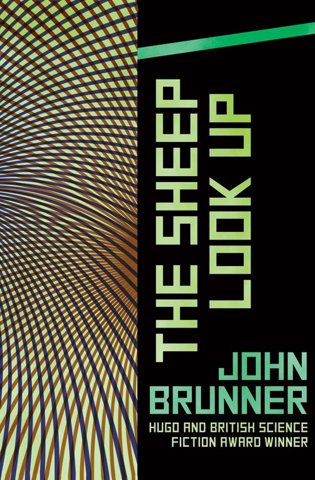
John Brunner, 1972
Polluted air, water and food lead to political and social breakdown. It now reads as a warning about unchecked environmental damage.
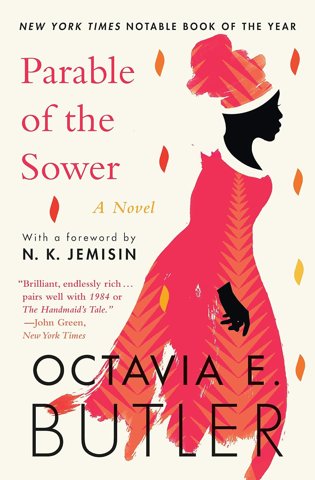
Octavia E. Butler, 1993
Climate disruption, inequality and weakening institutions push America toward collapse, slowly rather than suddenly. Butler saw how environmental, economic and political crises feed each other.
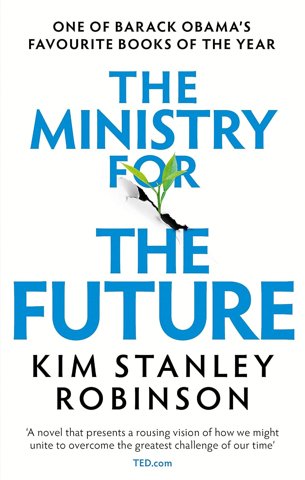
Kim Stanley Robinson, 2020
Robinson imagines how governments might respond to extreme heat, migration and carbon removal. We may be living through the period it tries to anticipate.
Science & Space
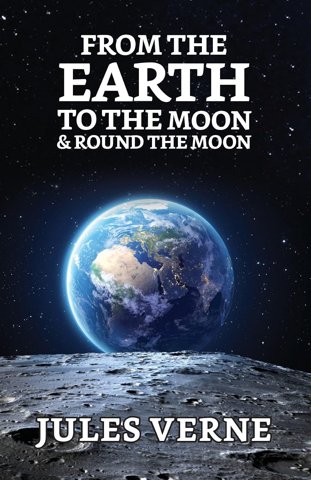
Jules Verne, 1865
Verne sent a crew to the Moon in a capsule, launched from Florida, a century before Apollo 11. It used a giant cannon rather than a rocket, but the vision was striking.
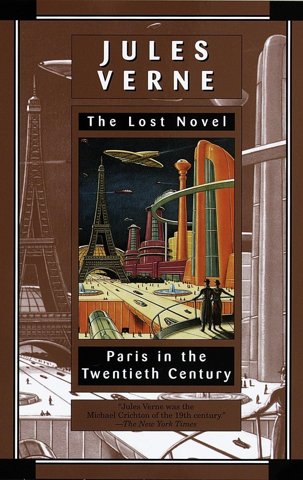
Jules Verne, written 1863
Verne pictured a Paris of machines, fast transport and towering buildings while horses still pulled carts. His real insight was that technology would reshape city life.
H. G. Wells, 1914
Wells described “atomic bombs” decades before Hiroshima. The science differed, but he grasped that the energy inside matter could transform warfare.
Economy & Human Future
Edward Bellamy, 1888
A man wakes in the year 2000 to a reorganized society with centralized distribution and cashless purchasing. Some of its ideas anticipate modern credit.
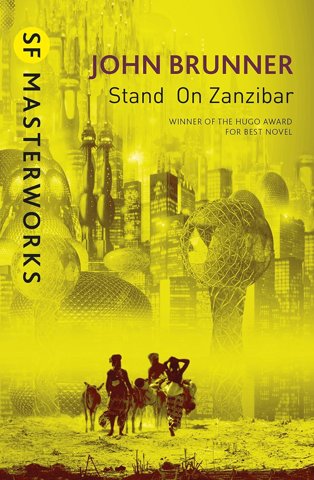
John Brunner, 1968
Overpopulation, powerful corporations, genetic engineering and information overload fill an entire imagined society. Brunner saw that technology can't be separated from politics and culture.
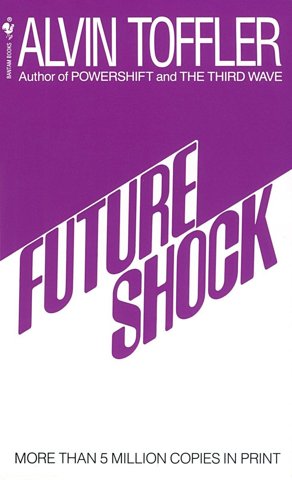
Alvin Toffler, 1970
Toffler argued that the pace of change would leave people overwhelmed by information and stress. Few readers today would call that a stretch.
Prediction or Observation?
The best of these writers weren't fortune-tellers. They looked closely at the science, politics and human behavior of their own time and asked what happens if it continues. That's why the books still matter: they don't tell us what will happen, but help us think about what could.
So the next time you read a novel about AI, climate or space, don't only ask could this really happen? Ask whether it has already begun.