Best Thriller Books of All Time
Best Thriller Books of All Time
By The Reading Room / Life & Habits
You know the feeling: it is past midnight, you told yourself one more chapter, and now the sky is turning grey. That is the thriller's whole promise. It takes a simple question, what happens next?, and makes it impossible to ignore.
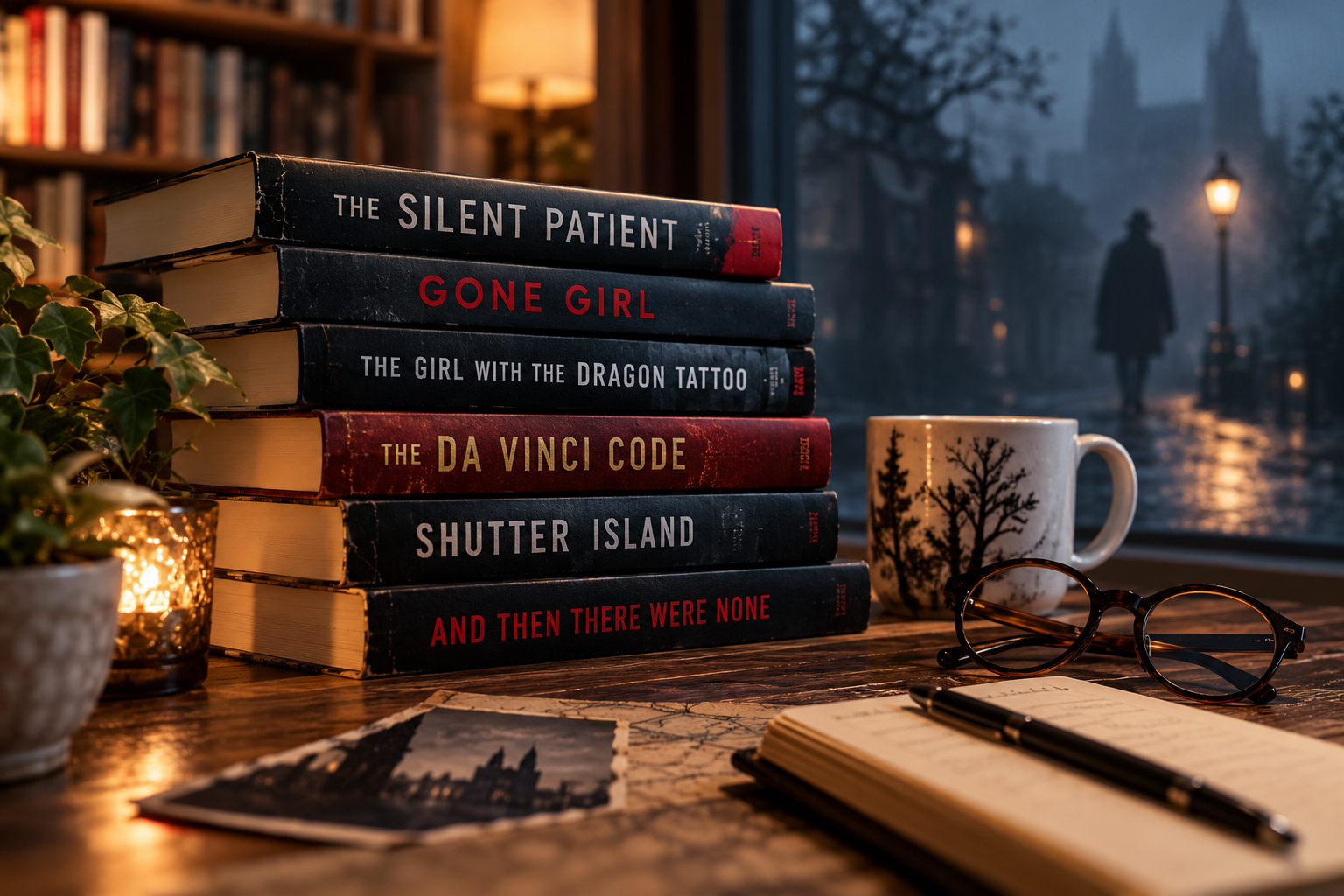
Lists like this always start arguments, so here is how this one was built. Every book below has lasted decades, shaped the genre, and still reads fast today. Some are quiet and psychological, some are cold and procedural, and one is a locked-room puzzle from 1939. All of them earn the late night.
To build the list, we compared editor picks from publishers, reader votes on Goodreads, genre lists for spy and psychological fiction, and the Crime Writers' Association's Top 100. Books that kept appearing across those lists came first.
Golden Age & Psychological Suspense
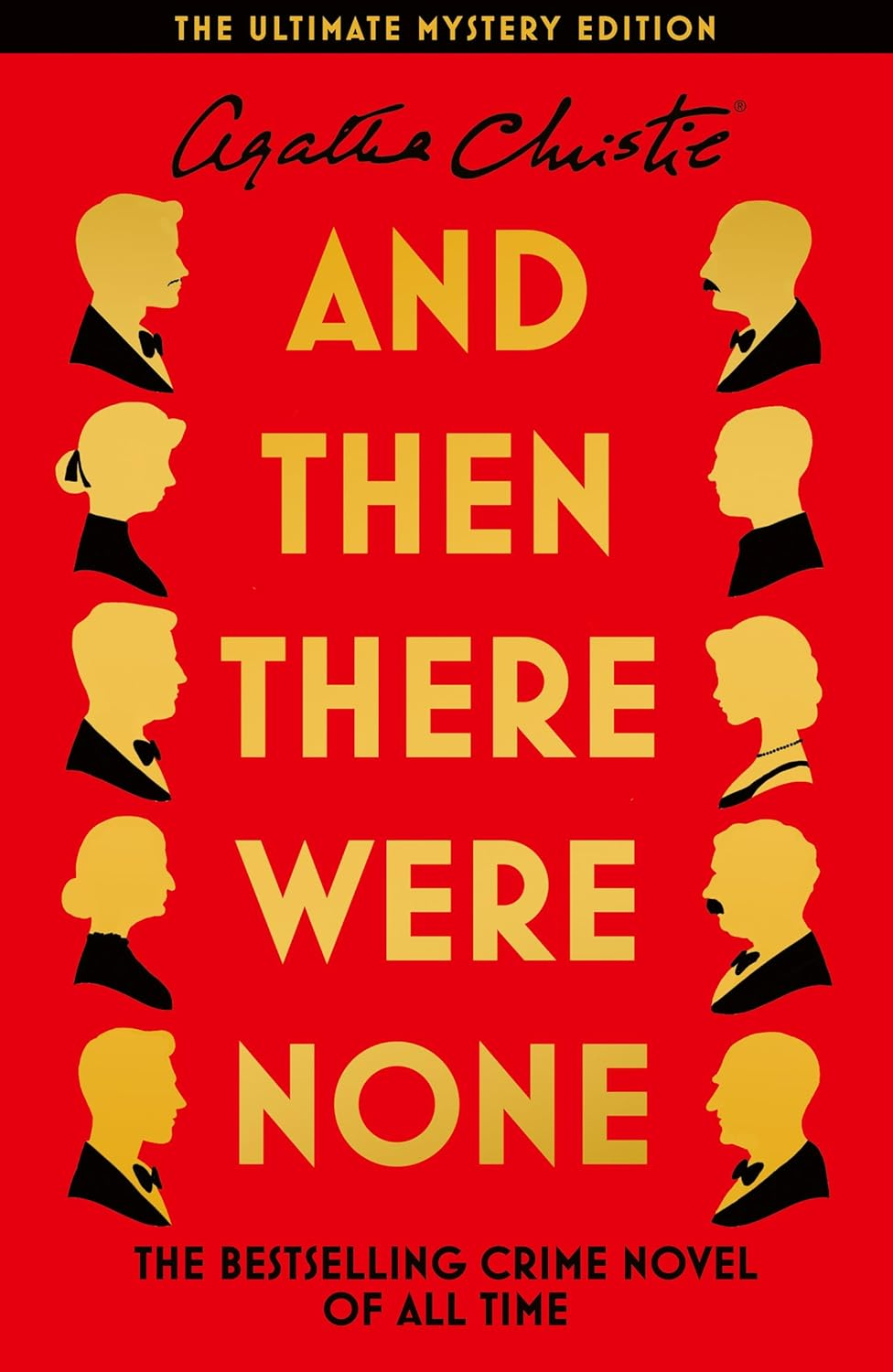
Agatha Christie, 1939
Ten strangers are lured to an island and begin to die, one by one, in the pattern of a nursery rhyme. It is the best-selling mystery novel ever written, and the plotting is still nearly flawless.
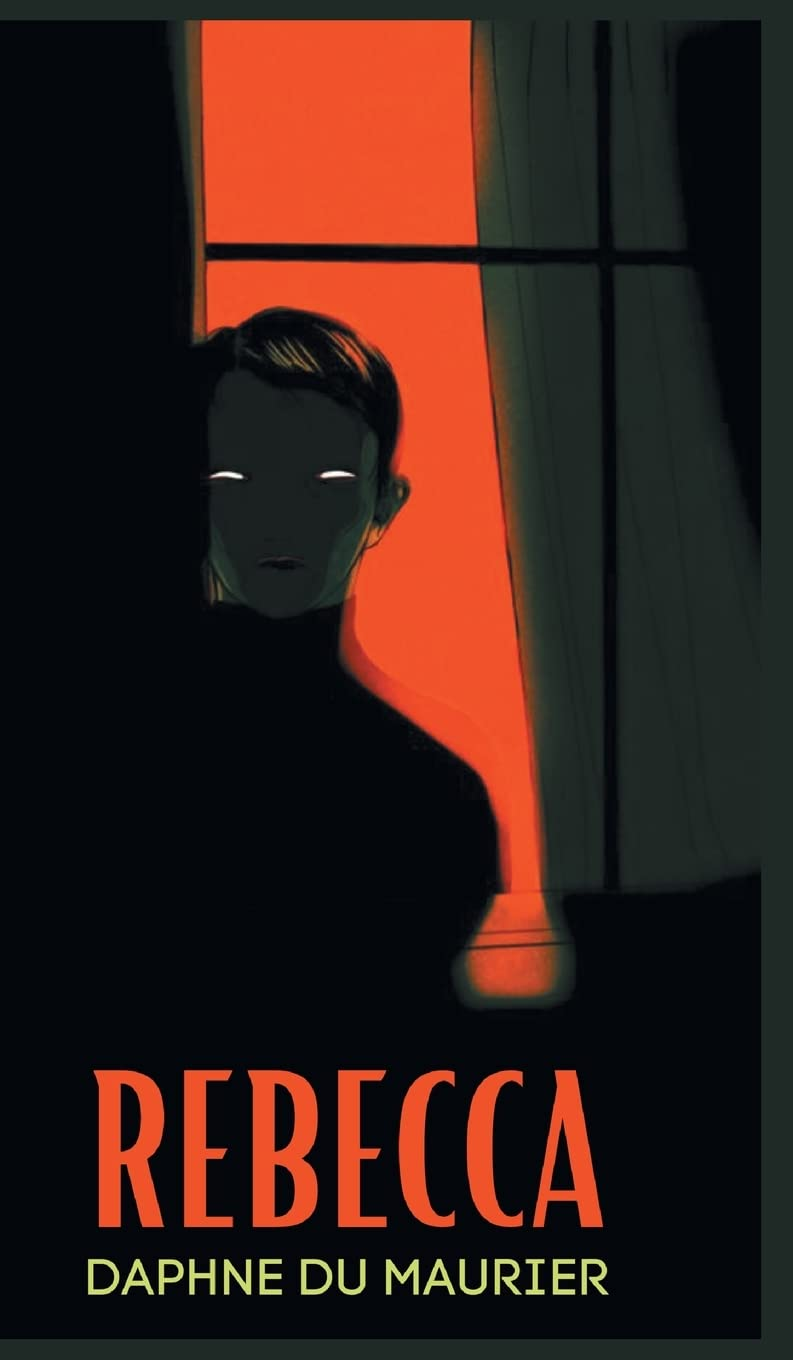
Daphne du Maurier, 1938
A young bride arrives at Manderley and finds the first Mrs. de Winter is still everywhere in the house. Dread builds through atmosphere alone, and the twist lands like a door closing.
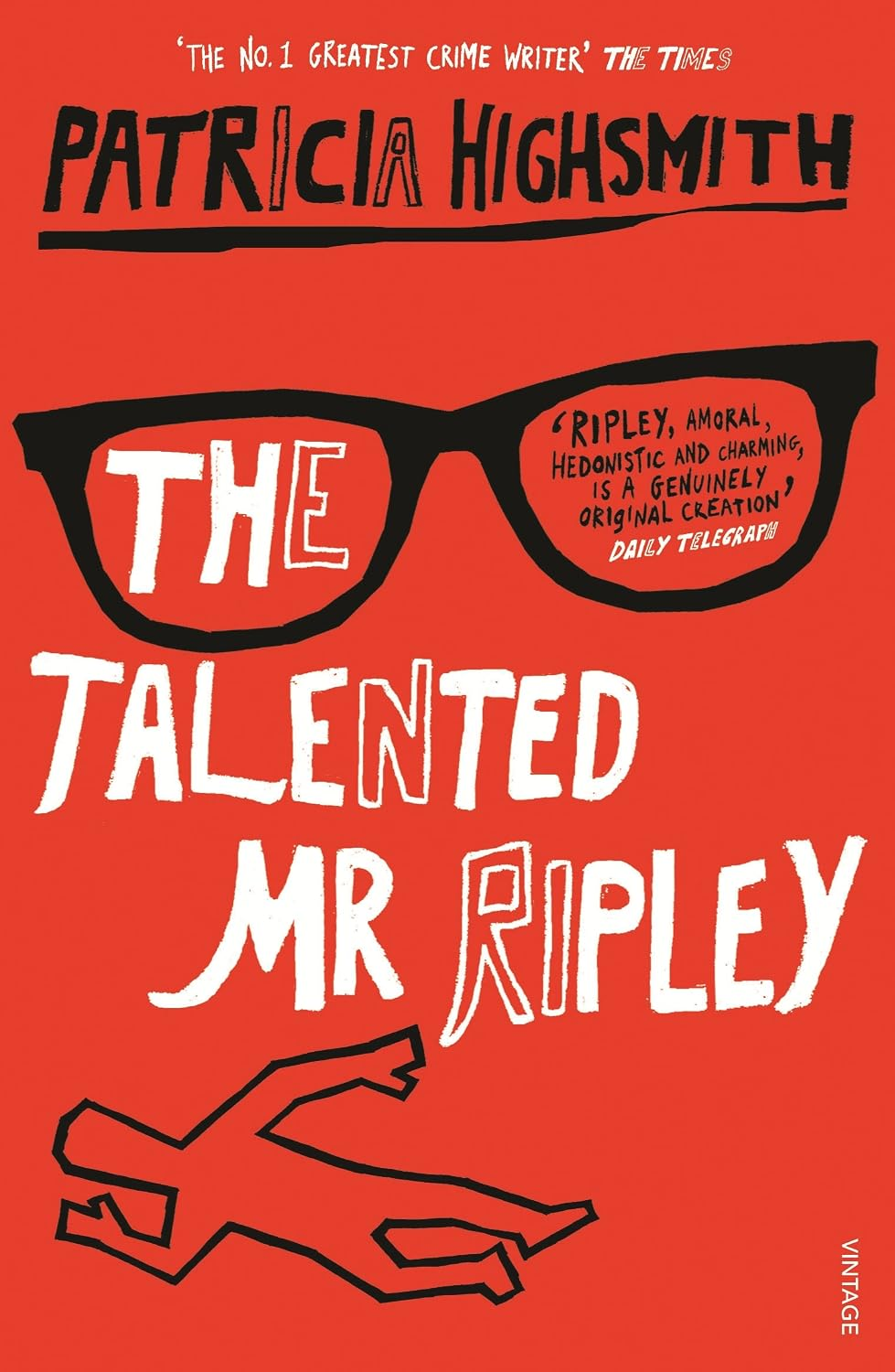
Patricia Highsmith, 1955
Tom Ripley slips into another man's life and dares you to root for him. Highsmith makes you complicit, which is why it still unsettles.
Spies, Killers & Cold Procedure
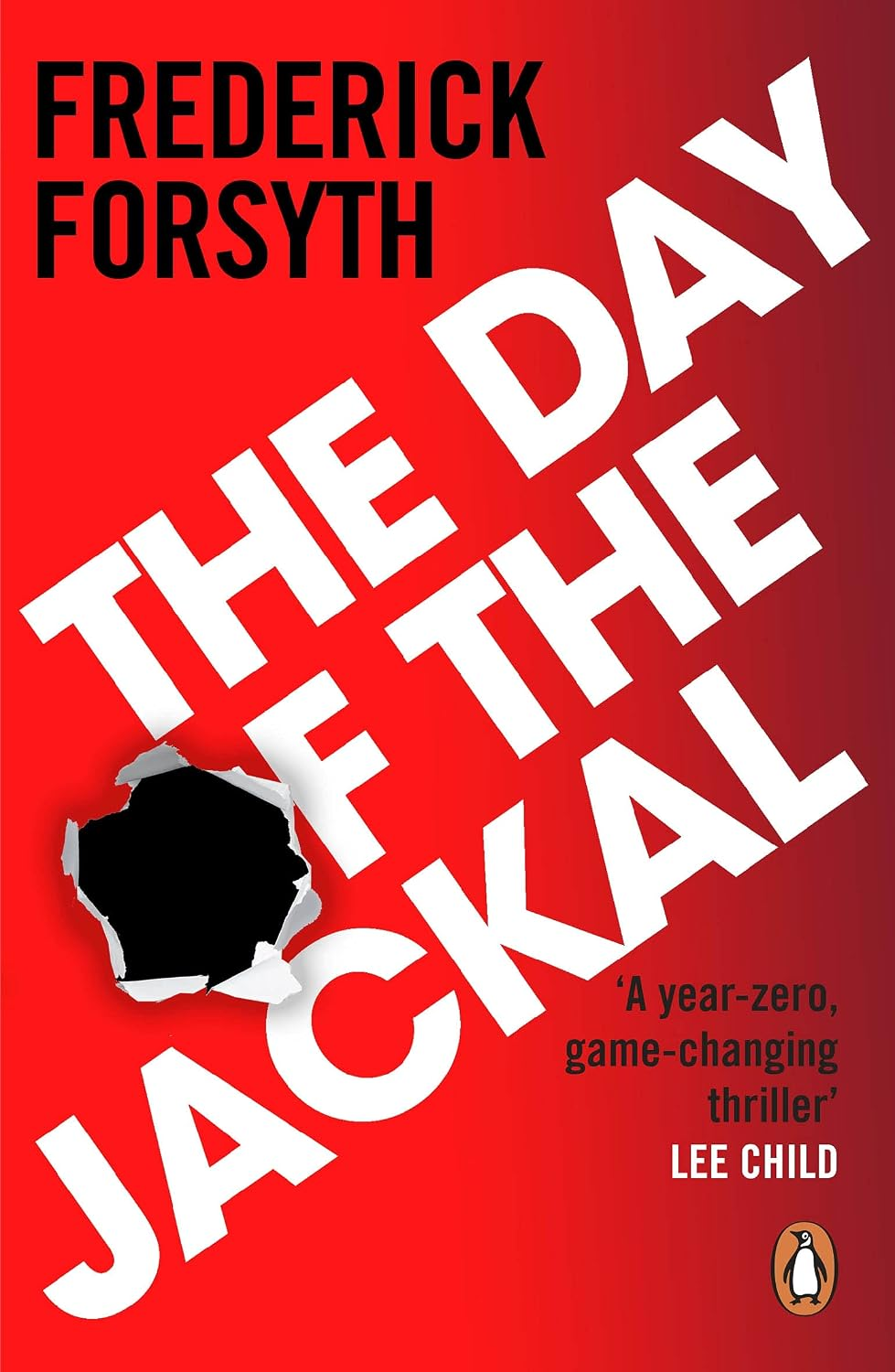
Frederick Forsyth, 1971
An assassin plans to kill Charles de Gaulle, and we already know history's ending. Forsyth still keeps you gripped, using method and detail instead of surprise.
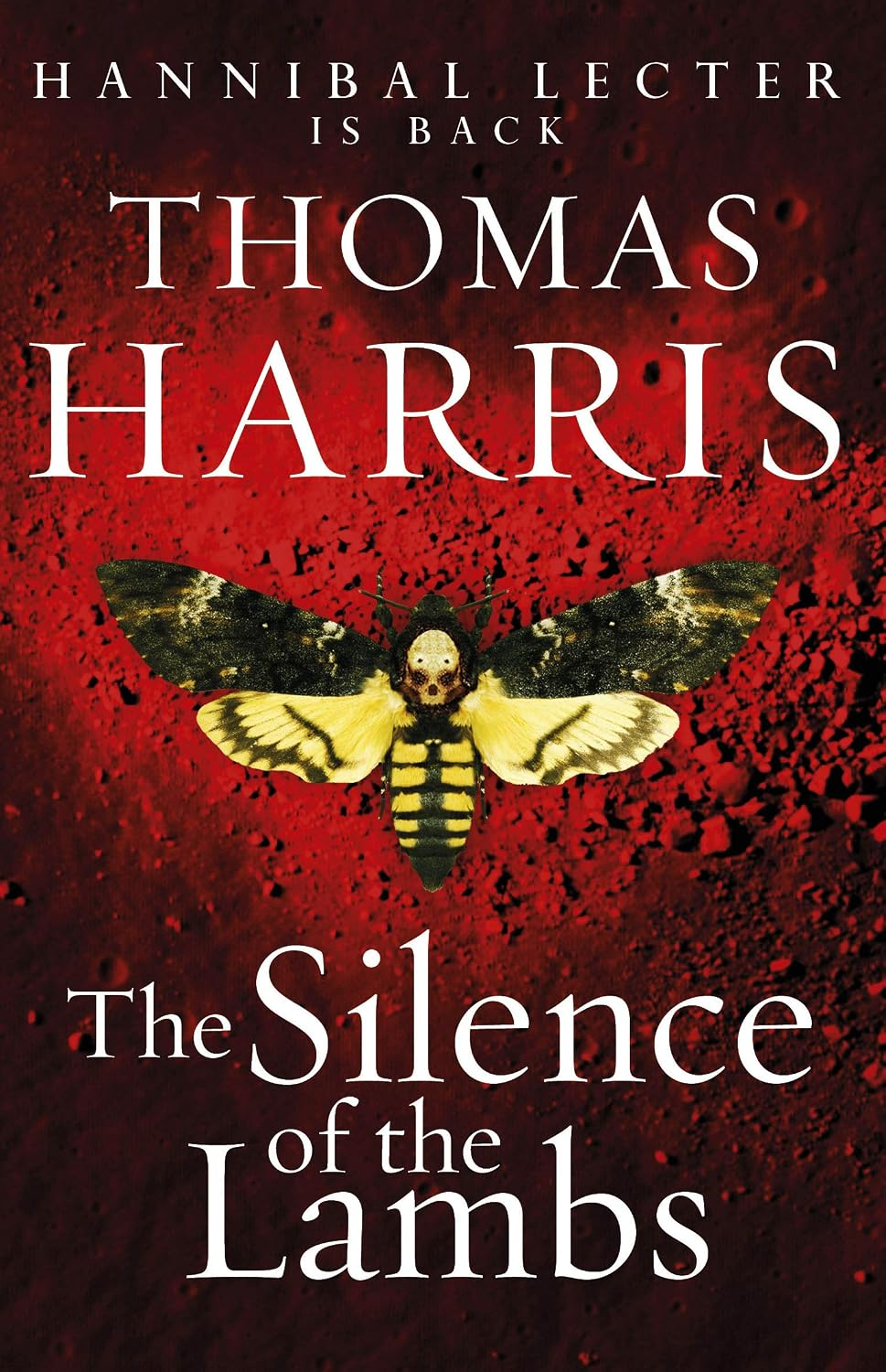
Thomas Harris, 1988
A young FBI trainee trades questions with Hannibal Lecter to catch a killer. The conversations between them are among the tensest scenes in modern fiction.
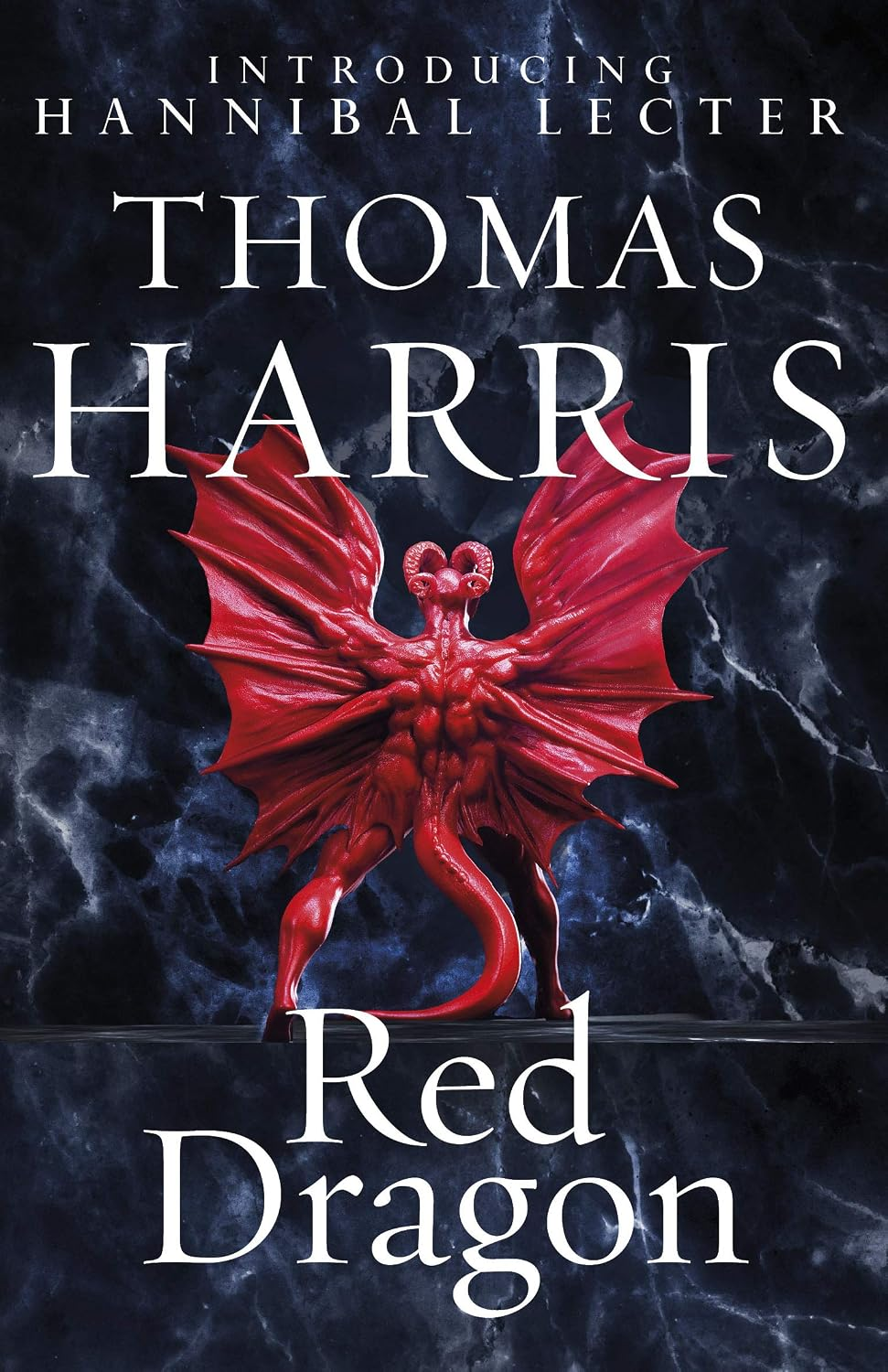
Thomas Harris, 1981
An FBI profiler is pulled back in to catch a serial killer known as the Tooth Fairy. It introduced Hannibal Lecter, and Harris spends real time inside the killer's mind, which sets it apart from a standard serial-killer story.
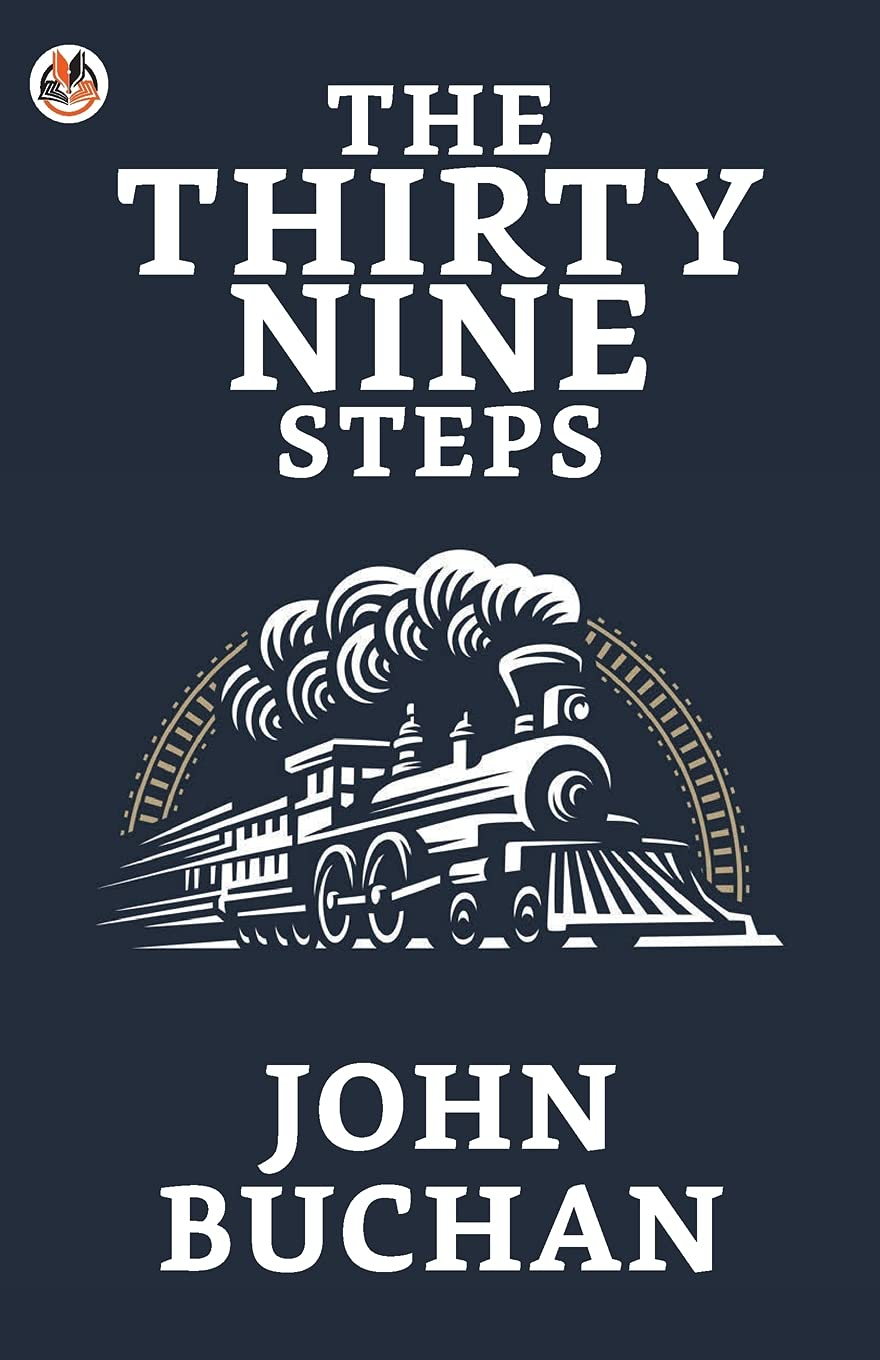
John Buchan, 1915
An ordinary man is handed a secret, framed for murder, and chased across the Scottish moors. It is short, fast, and the blueprint for the "wrong man on the run" story.
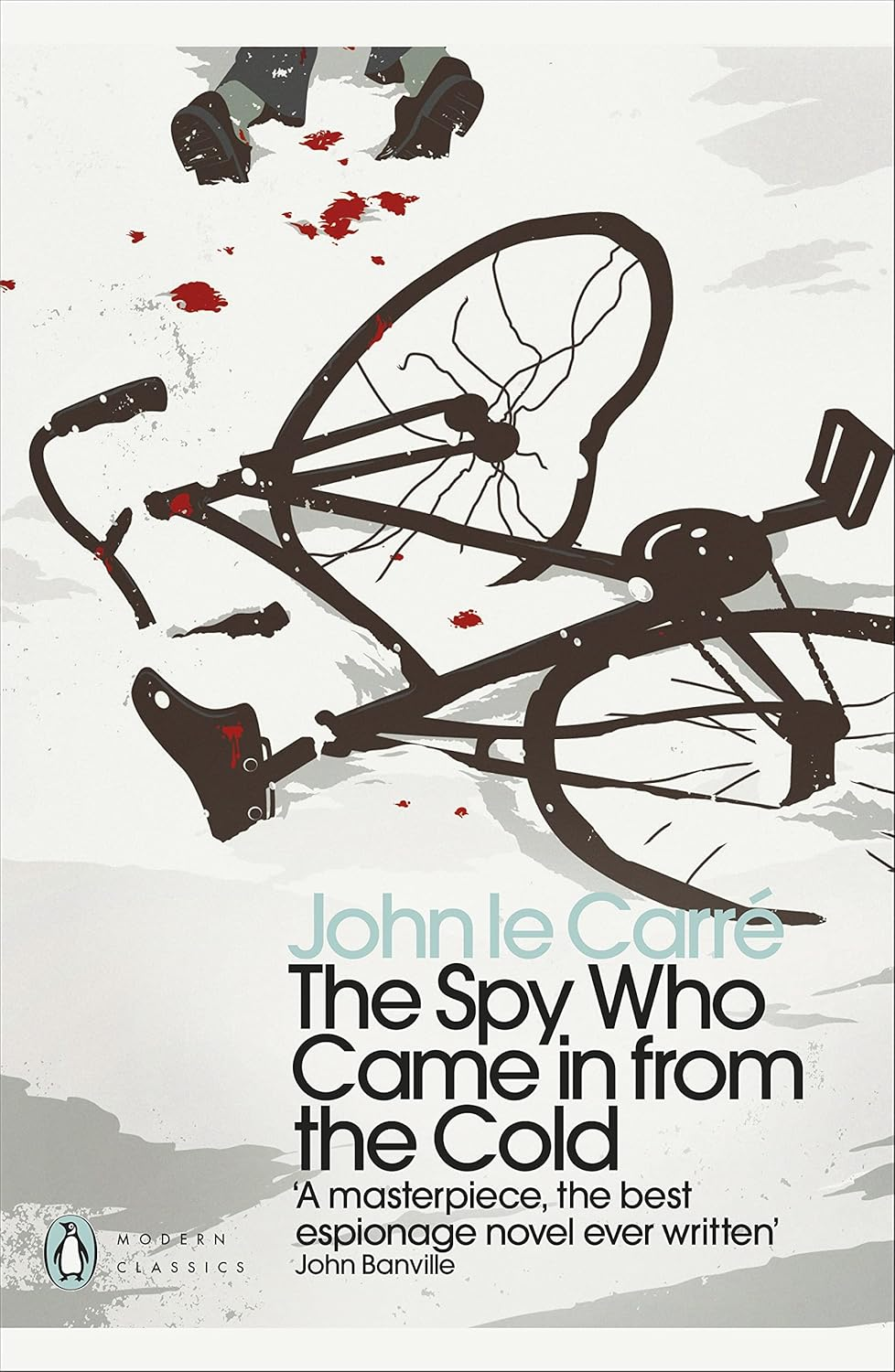
John le Carré, 1963
A burnt-out British agent takes one last Cold War job, and slowly learns who is really being played. It is the gold standard of the espionage thriller: grey, morally tangled, and quietly devastating.
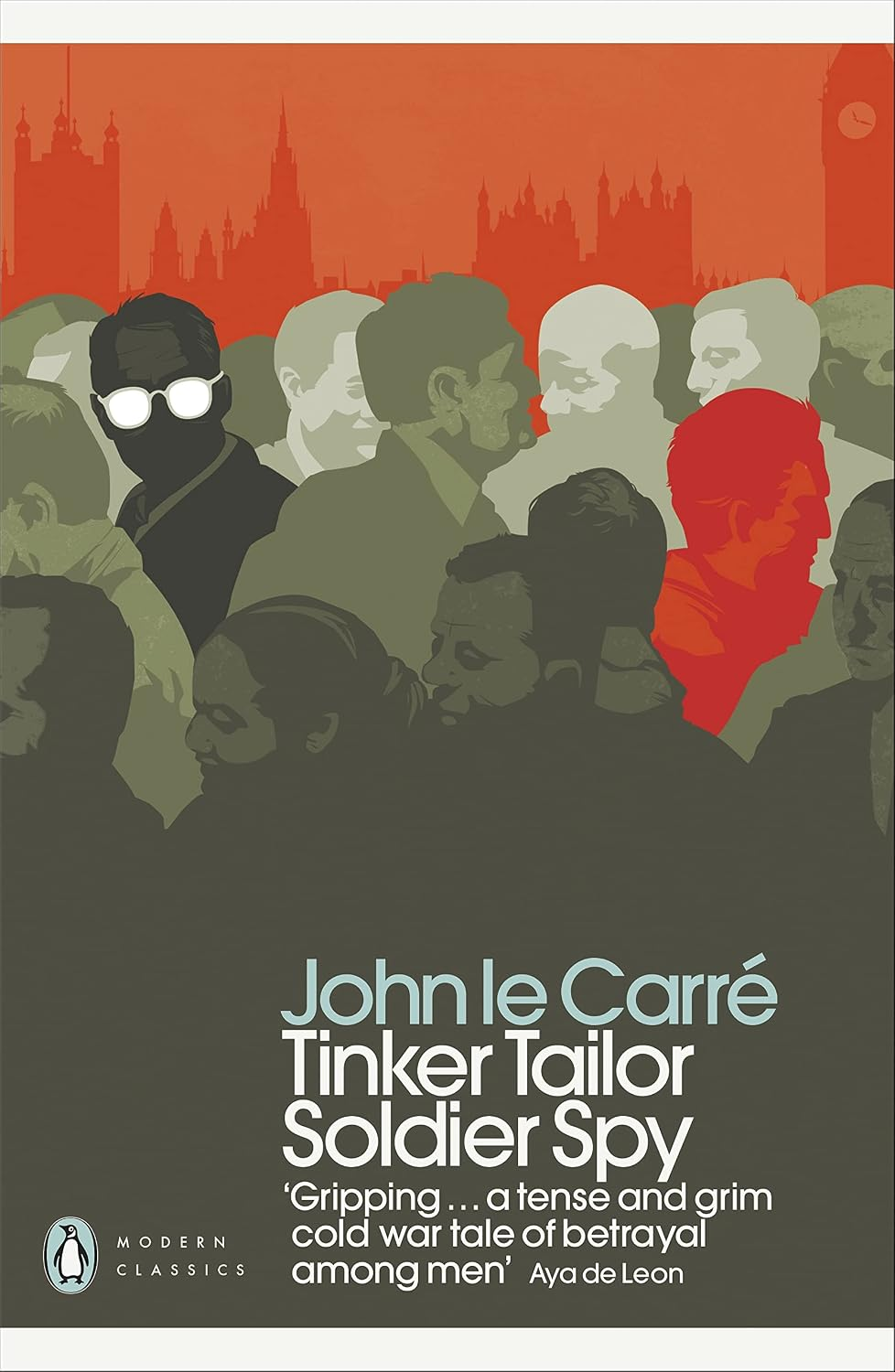
John le Carré, 1974
George Smiley is pulled out of retirement to find a Soviet mole at the top of British intelligence. Slow, patient and deeply human, it is often named the greatest spy novel ever written.
If you only read one: start with And Then There Were None. It is short, fast, and the perfect example of how the genre works.
Modern Page-Turners
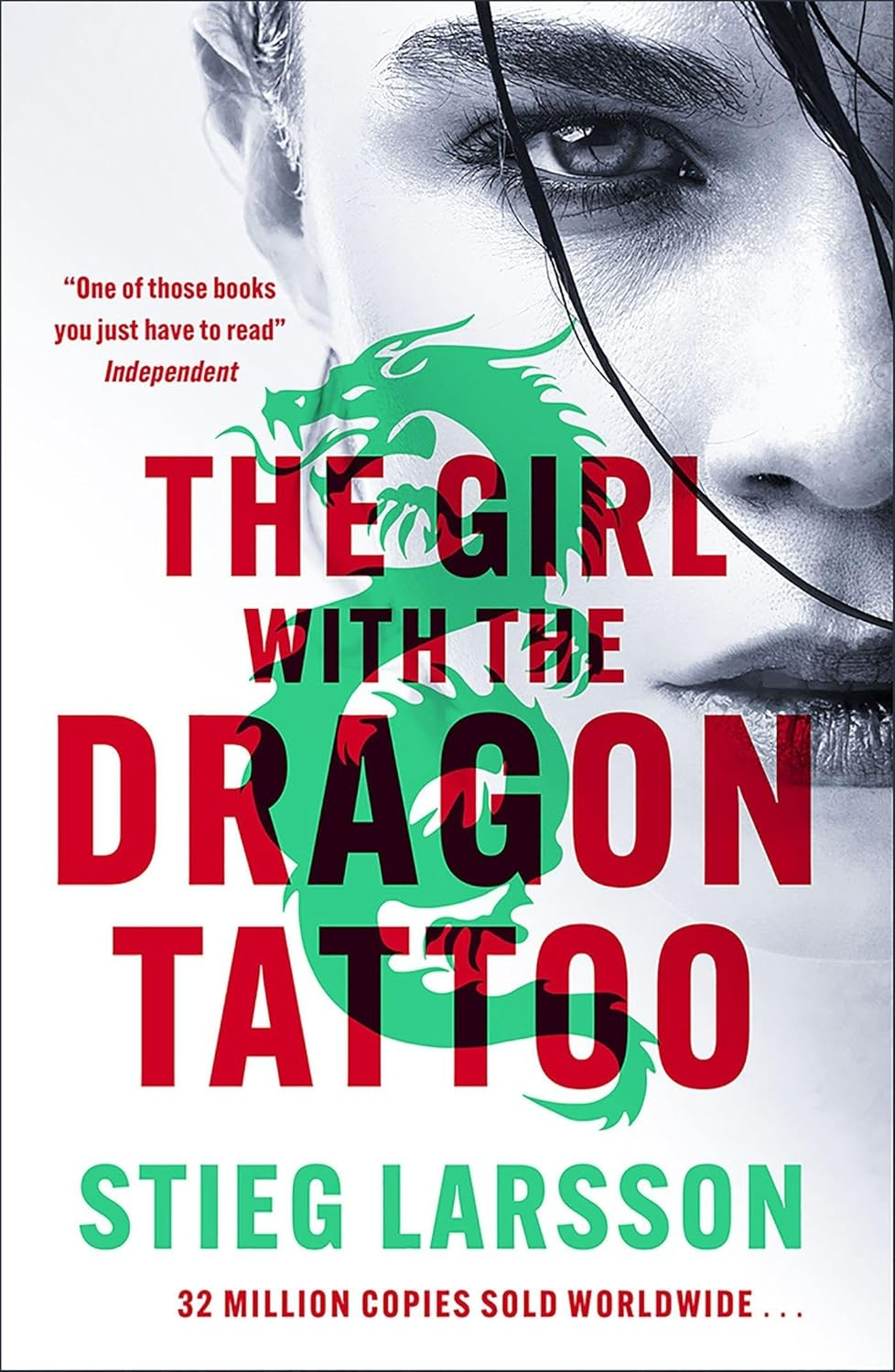
Stieg Larsson, 2005
A disgraced journalist and a fierce hacker dig into a decades-old disappearance inside a wealthy Swedish family. It kicked off the Scandinavian crime wave.
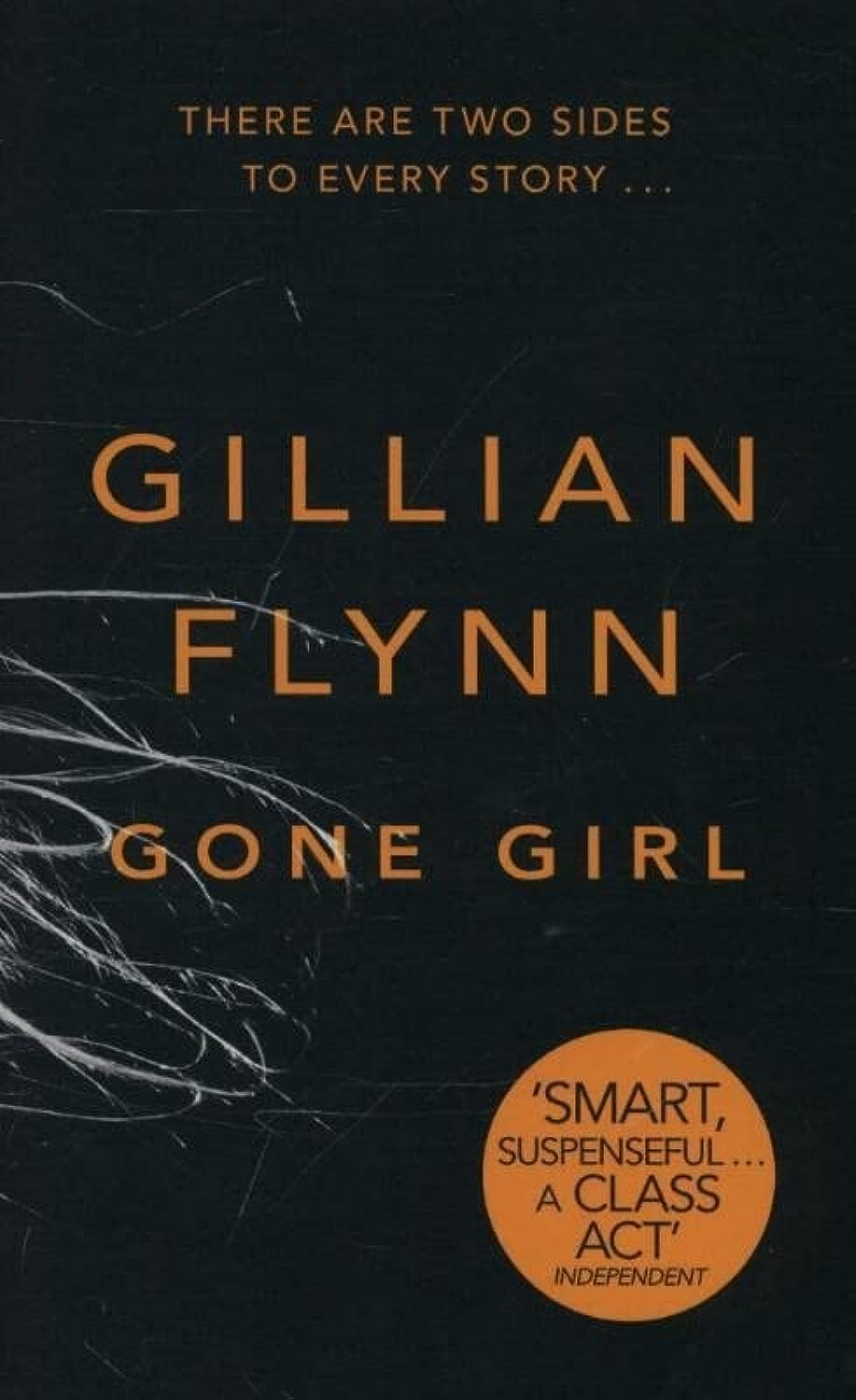
Gillian Flynn, 2012
On their anniversary, a wife vanishes and her husband becomes the prime suspect. The mid-book reversal is one of the most talked-about in recent thrillers, and the book has sold over 15 million copies worldwide.
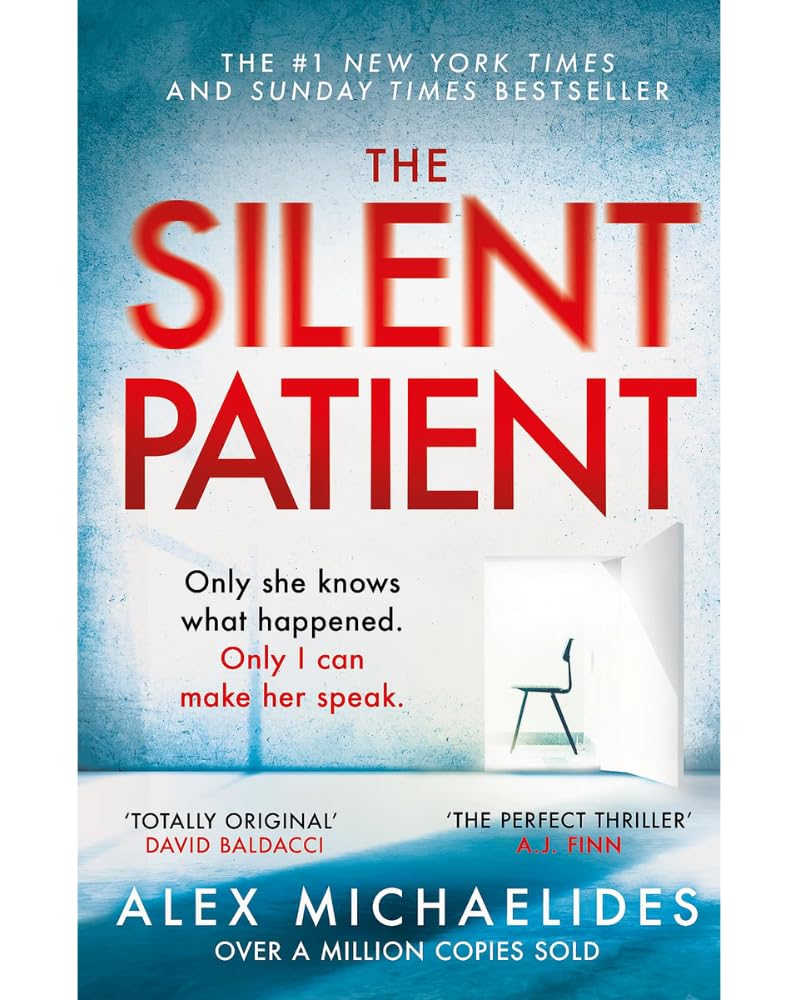
Alex Michaelides, 2019
A famous painter shoots her husband five times and never speaks another word. A therapist becomes determined to make her talk, and the twist reframes everything you have read.
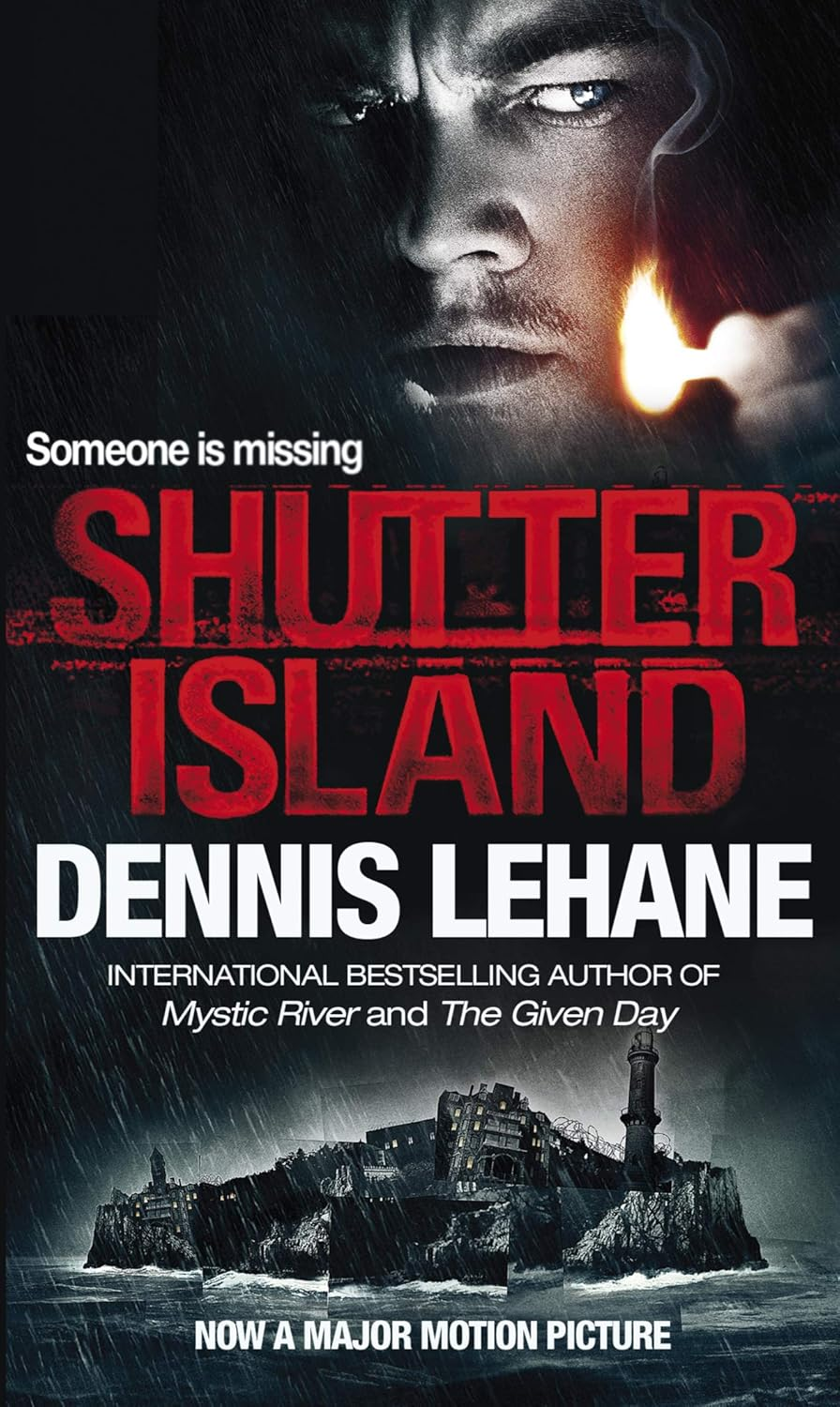
Dennis Lehane, 2003
A U.S. Marshal arrives at a remote psychiatric hospital to find a missing patient, and starts to doubt what is real. A favourite pick for readers who love an unreliable narrator.
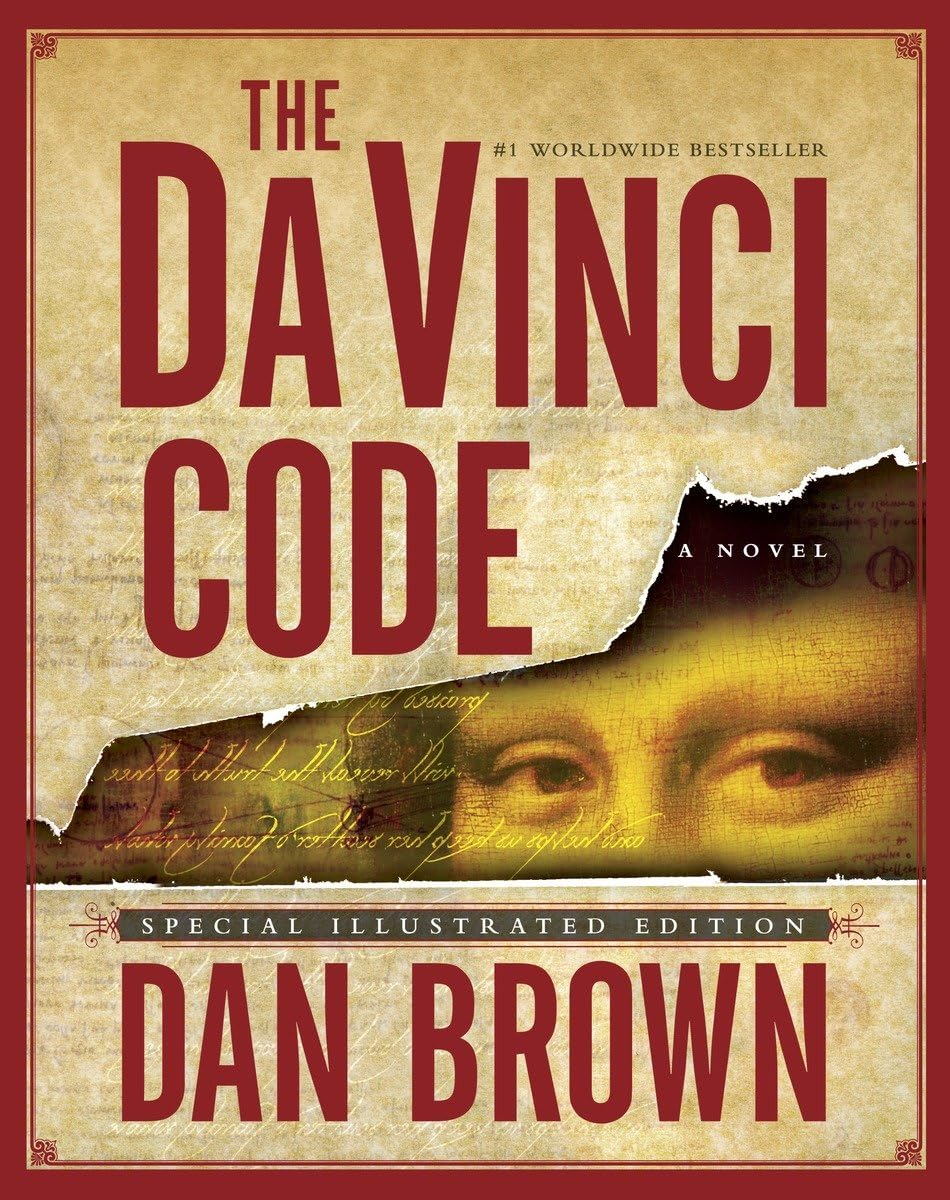
Dan Brown, 2003
Short chapters, cliffhangers and a chase through Paris and London. Critics argue about the prose, but few thrillers have pulled in more first-time readers.
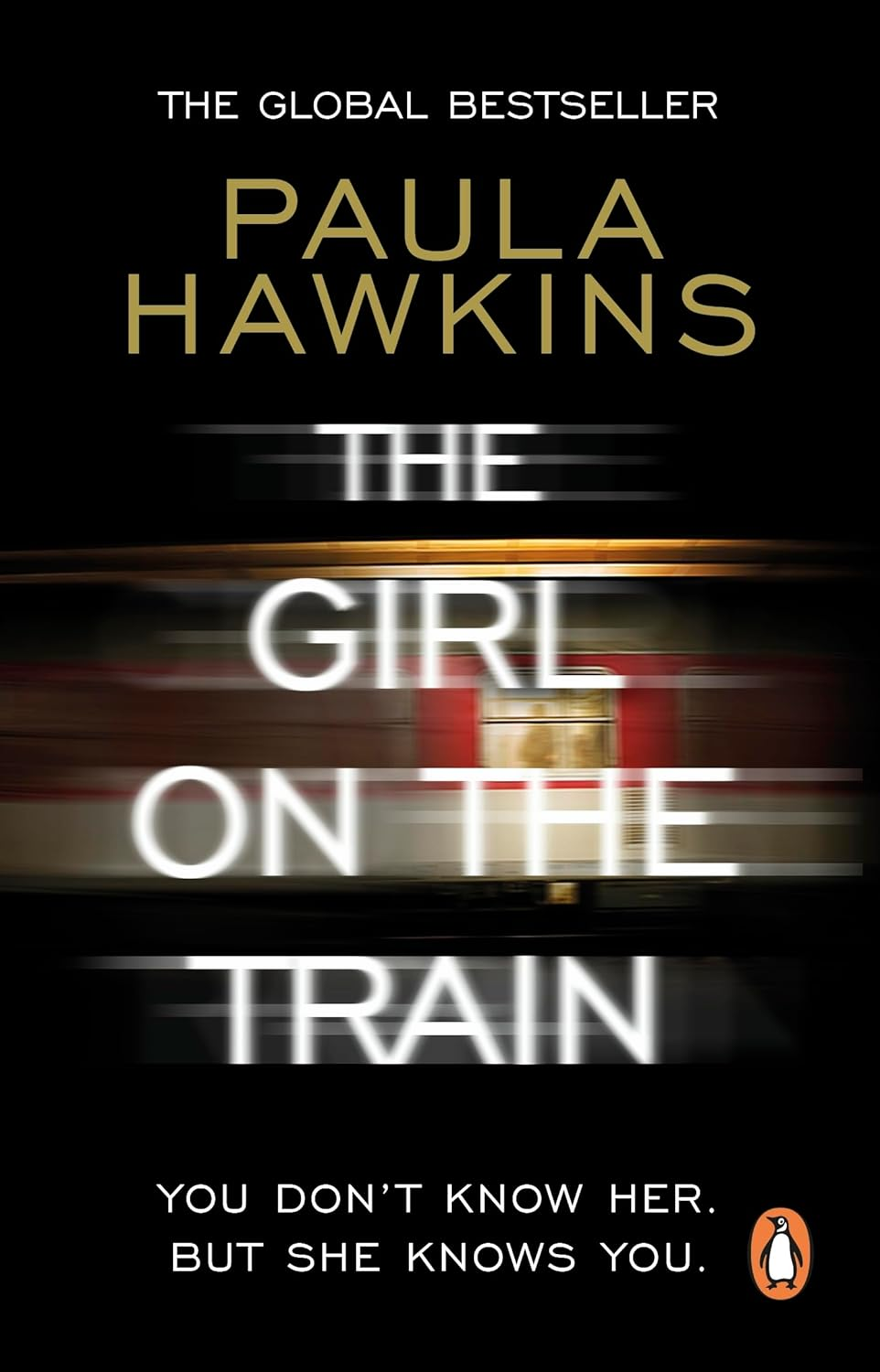
Paula Hawkins, 2015
A commuter watches a stranger's "perfect" couple from the train window, until one day she sees something that changes everything. An unreliable narrator keeps you guessing.
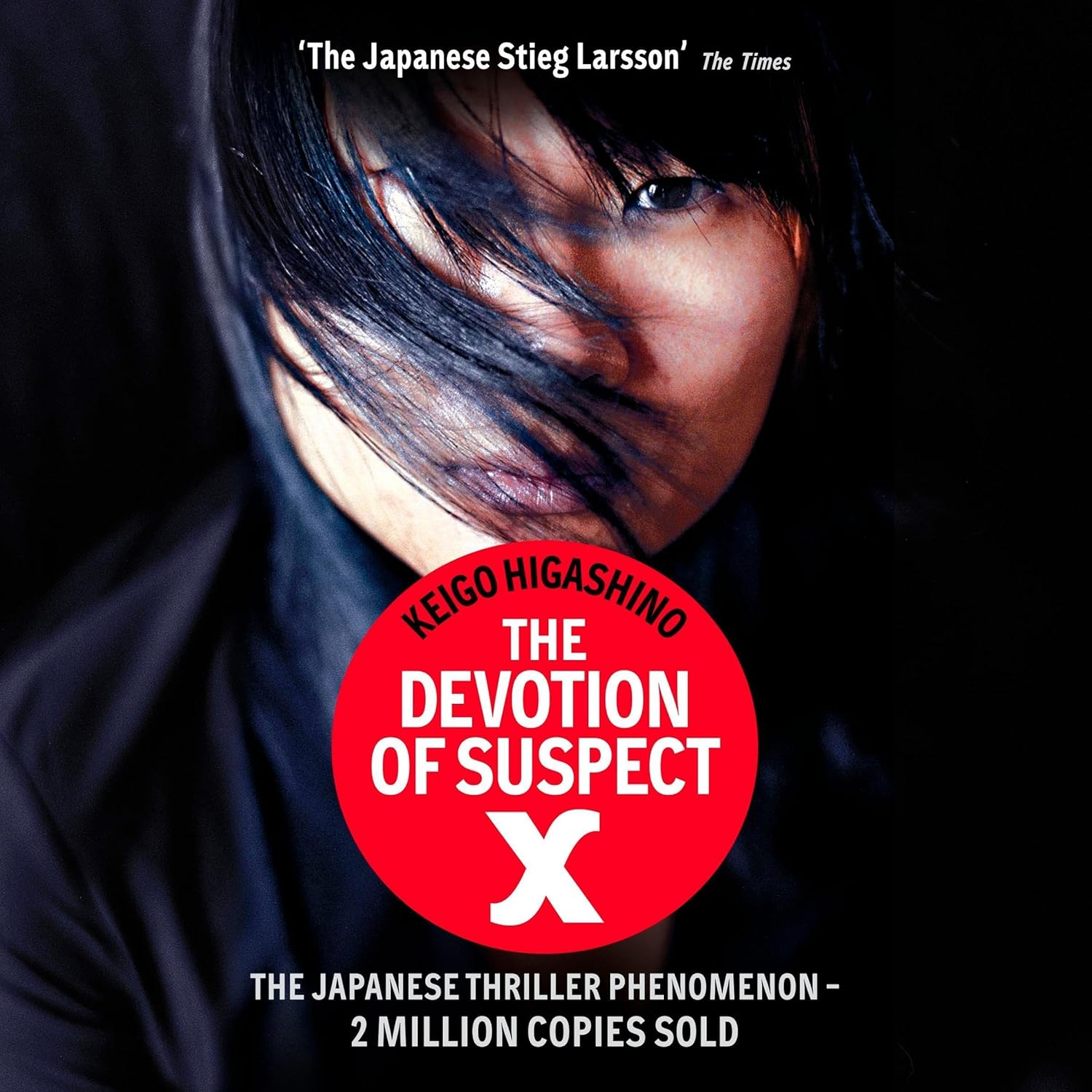
Keigo Higashino, 2005
A maths teacher covers up a murder for the neighbour he loves, and a physicist friend tries to break his perfect alibi. A quiet, clever duel of minds with an ending that hits hard.
Also Worth Reading
These did not appear as often across the lists we compared, but each has earned its readers.
- Crime and Punishment, Fyodor Dostoevsky, 1866. A student commits murder and cannot escape his own mind. A literary classic with a thriller's pull.
- The Trial, Franz Kafka, 1925. A man is arrested for a crime nobody names. Pure dread, with the system itself as the menace.
- The Big Sleep, Raymond Chandler, 1939. Philip Marlowe's debut and a lesson in hard-boiled tension.
- Misery, Stephen King, 1987. A novelist is trapped by his "number one fan."
- The Firm, John Grisham, 1991. A young lawyer discovers what his dream firm is really for.
- Tell No One, Harlan Coben, 2001. A widower gets an email that only his dead wife could have sent.
- Sacred Games, Vikram Chandra, 2006. A sprawling Mumbai crime epic of over 900 pages, pitting a police inspector against a gangster. Acclaimed, but long and closer to literary fiction than a quick thriller.
Which Thriller Should You Start With?
Want a puzzle? Pick Christie. Want atmosphere? Du Maurier. Want a Cold War chill? Le Carré. Want a perfect puzzle? Higashino. Want a villain you can't look away from? Highsmith or Harris. Want speed on a long flight? Larsson, Flynn or Brown.
The genre is wide, and the best entry point is whichever description made you lean in.
Final Thoughts
A great thriller does not need a big twist to work. It needs a strong question, a narrator or a hunter you cannot look away from, and an ending that pays off the tension. The books on this list do that in very different ways, across almost a century of storytelling.
Start with the one that matches your mood, keep a lamp nearby, and try not to look at the clock. You may lose some sleep, but a good thriller is worth it.