Short Books You Can Read in a Day — Part 2

Short Books You Can Read in a Day — Part 2
By The Reading Room / Life & Habits
There was more to say — and more short books that prove the point.
Part one made an argument: a book doesn't need bulk to matter. It just needs every page to earn its place. That idea didn't run out after sixteen books — if anything, it got easier to prove. Some of the best examples were sitting just outside the first list, waiting their turn. This round pulls from a few different corners — a barnyard allegory, a Navy SEAL's ten rules, a seagull who wants more than food, a wartime memoir that changed how an entire generation understood the Holocaust. Different subjects, same discipline: say only what needs saying, and stop.
Fiction
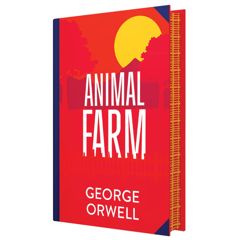
George Orwell · 112 pages
A group of farm animals overthrow their human owner, only to watch their new leaders become indistinguishable from the old ones. Orwell's allegory is deceptively simple — and devastatingly precise.
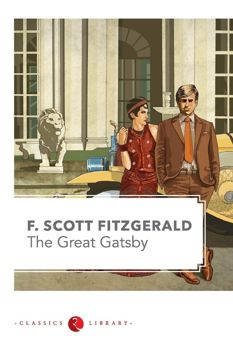
F. Scott Fitzgerald · 180 pages
A mysterious millionaire throws lavish parties on Long Island, all for the woman across the bay. Fitzgerald's prose is so perfectly tuned that every sentence carries weight — and the ending still lands, a century later.
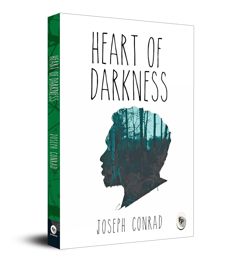
Joseph Conrad · 96 pages
A journey up the Congo River into the interior of colonial Africa — and into the question of what civilization actually means when no one is watching. Dense, unsettling, and impossible to forget.
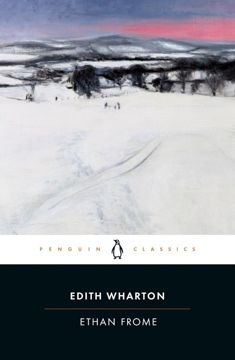
Edith Wharton · 105 pages
A man trapped in a loveless marriage in rural New England falls for his wife's cousin. Wharton builds the tension with such quiet precision that the final pages hit like a physical blow.
Non-Fiction
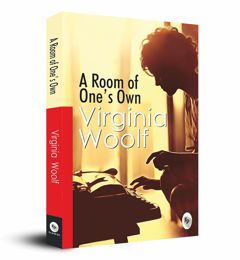
Virginia Woolf · 112 pages
Woolf's extended essay on women and fiction argues that creative freedom requires two things: money and a room with a lock on the door. Written in 1929 and still startlingly relevant.
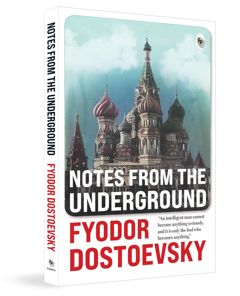
Fyodor Dostoevsky · 136 pages
A bitter, isolated man delivers a monologue that dismantles rationalism, progress, and polite society. Often called the first existentialist novel — raw, uncomfortable, and eerily modern.
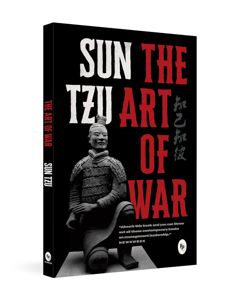
Sun Tzu · 68 pages
Written over two thousand years ago, Sun Tzu's treatise on strategy has outlived every empire that tried to apply it. The lessons are military in origin but universal in reach — on timing, deception, knowing when not to fight.
Self-Help
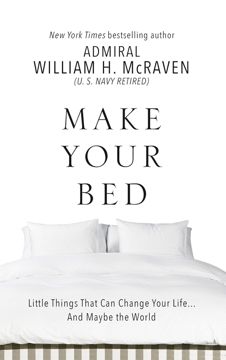
Admiral William H. McRaven · 144 pages
A Navy SEAL's ten lessons for changing the world, starting with the smallest possible act of discipline each morning. No jargon, no padding — just hard-won clarity from someone who earned the right to give advice.
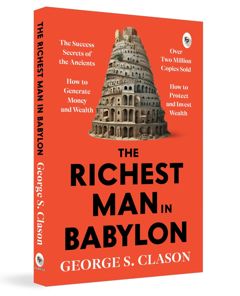
George S. Clason · 144 pages
Financial wisdom disguised as ancient Babylonian parables. The rules are simple — pay yourself first, avoid debt, invest wisely — but Clason's storytelling makes them stick in a way no spreadsheet ever could.
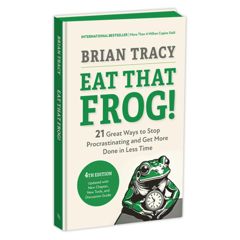
Brian Tracy · 128 pages
The title comes from a Mark Twain idea: if the first thing you do each morning is eat a live frog, nothing worse will happen the rest of the day. Tracy's book is 21 techniques for stopping procrastination — compact, practical, and surprisingly energising.
Spiritual & Philosophy
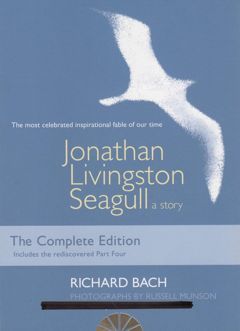
Richard Bach · 112 pages
A seagull who wants to fly for the joy of flying — not just to find food — is cast out by his flock. A fable about the cost of refusing to live a small life. Spare, luminous, and quietly defiant.
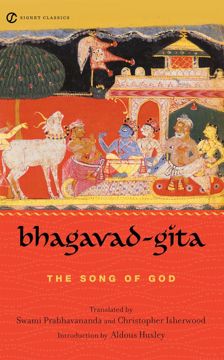
Various · 100–180 pages
A conversation on a battlefield between a warrior and a god, covering duty, action, surrender, and the nature of the self. No single book has shaped Indian thought more deeply — and the best translations make it accessible to anyone.
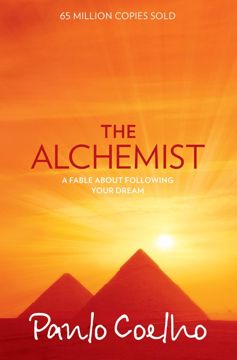
Paulo Coelho · 163 pages
A shepherd boy crosses the desert in search of treasure and finds something else entirely. Coelho writes in the language of parable — simple on the surface, layered underneath. The kind of book people press into each other's hands.
Memoir
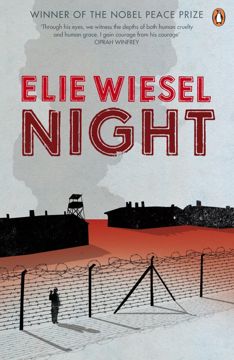
Elie Wiesel · 120 pages
Wiesel's account of surviving Auschwitz and Buchenwald as a teenager. There is no commentary, no analysis — just witness. One of the most important books of the twentieth century, and one of the shortest.
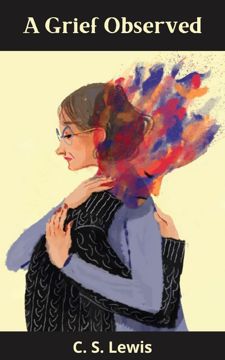
C.S. Lewis · 76 pages
Written in the raw aftermath of his wife's death, Lewis' journal strips away every comfortable idea about faith and loss. Not a book of answers — a book of honest, unbearable questions.
Business & Productivity
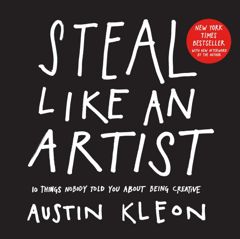
Austin Kleon · 160 pages
Ten rules for creative work, built on the idea that nothing is truly original — and that's liberating, not limiting. Short chapters, hand-drawn illustrations, and the kind of advice that makes you want to start making things immediately.
Why this list keeps growing
None of these needed more pages to say what they had to say — and that's really the whole argument, twice over now. A short book isn't a smaller book. It's a different kind of discipline, and there's no shortage of writers who've mastered it. If part one didn't have the right book for you, this one probably does. And if it still doesn't — there's no reason this has to stop at two.