Short Books You Can Read in a Day

Short Books You Can Read in a Day
By The Reading Room / Life & Habits
There is a reader who has three books going at once. The 500-page biography she started in March. The novel her book club picked in June. The self-help book she keeps meaning to finish before the new one arrives. She is, by any honest measure, not reading any of them — and yet every visible sign says she is a serious reader.
What finishing actually means
At its simplest, reading a book has always meant one thing: starting it and ending it, holding the whole shape of it in your head before you set it down. Length was never really the marker of seriousness. If the storyline is effective — if it actually connects with the reader — the length of the book stops mattering at all.
The craft of writing short
Writing a short book well is harder than it looks. In 100 pages, every character, every line, every scene has to earn its place. These books aren't quick reads in spite of their length — they're quick reads because of the discipline behind them.
Fiction
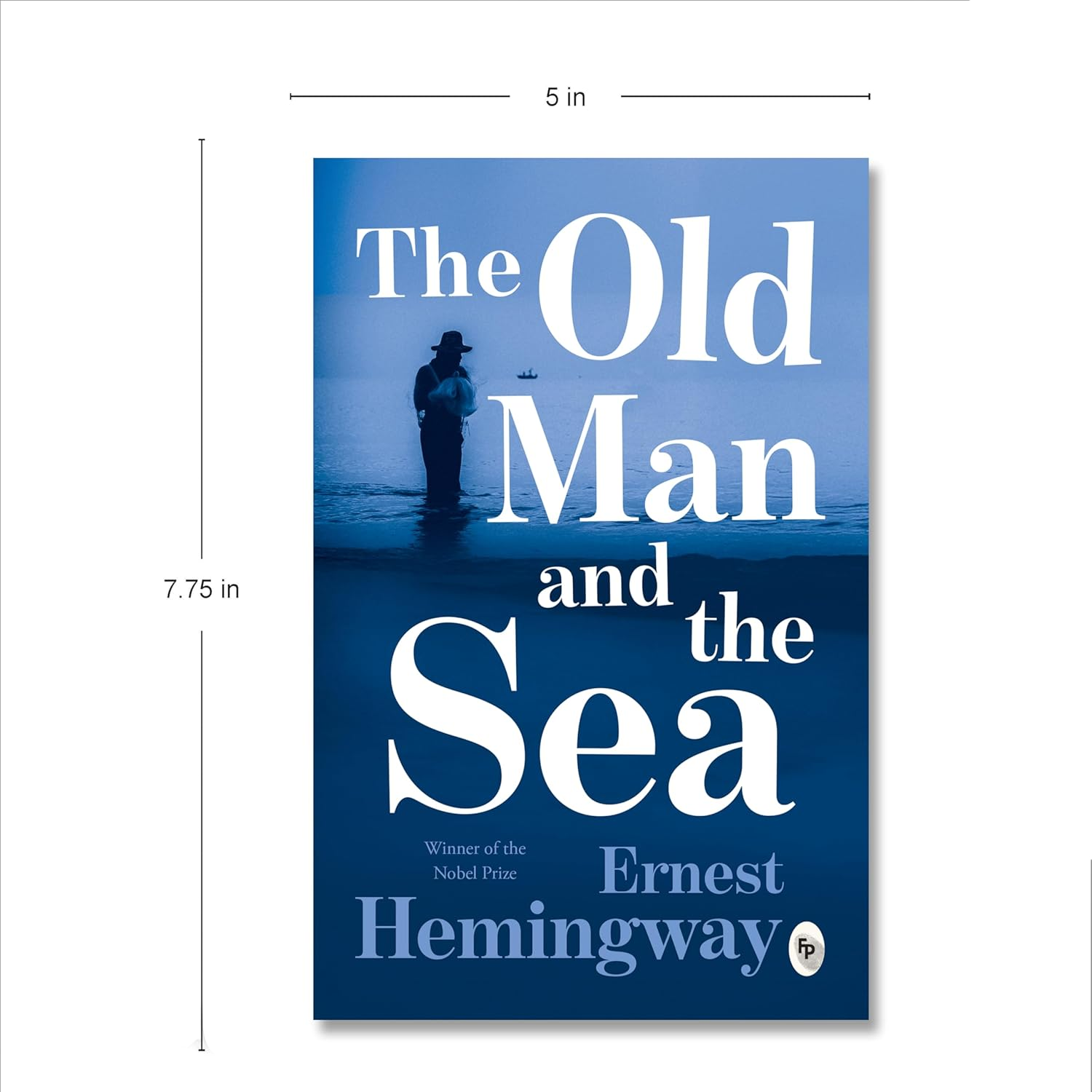
Ernest Hemingway · 127 pages
An ageing Cuban fisherman's battle with a giant marlin becomes a meditation on endurance, pride, and what it means to keep going long after the outcome is decided.
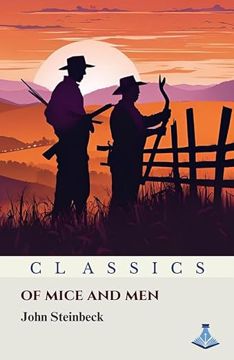
John Steinbeck · 107 pages
Two displaced migrant workers in Depression-era California chase a shared dream of owning a small farm — a story of friendship, loneliness, and the cruelty of circumstances.
Franz Kafka · 55 pages
A man wakes up one morning as a giant insect. What follows is not really about the transformation — it's about how quickly the people around him stop seeing him as one of their own.
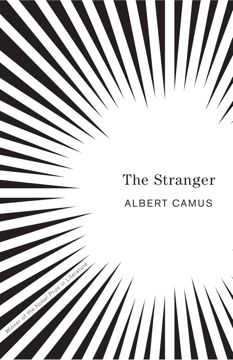
Albert Camus · 123 pages
A man commits an inexplicable act of violence and seems strangely indifferent to his own fate. Camus' spare, haunting prose makes you question whether the world punishes the crime — or the refusal to perform grief.
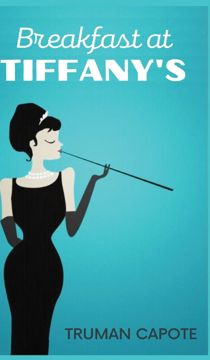
Truman Capote · 100 pages
Holly Golightly's chaotic Manhattan life, told by a nameless neighbour who is half in love with her. Far sharper than the film — and far sadder.
Non-Fiction
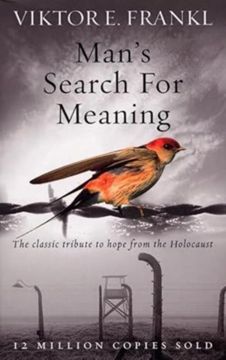
Viktor E. Frankl · 165 pages
A psychiatrist's account of surviving Auschwitz and the insight he drew from it: that even in the worst circumstances, humans can find purpose — and that meaning, not happiness, is what sustains us.
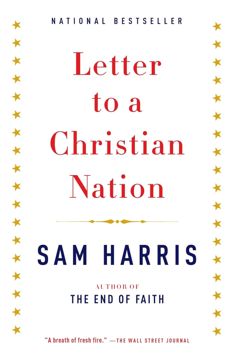
Sam Harris · 96 pages
A calm, tightly argued open letter making the case for reason over faith. Whether you agree or not, the precision of Harris' writing makes it impossible to skim.
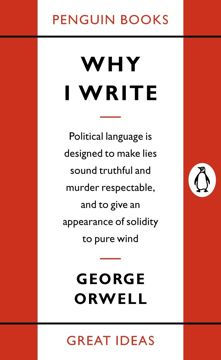
George Orwell · 120 pages
Four essays that reveal what drove Orwell to write — from political anger to the sheer pleasure of putting words together. A masterclass in intellectual honesty.
Self-Help
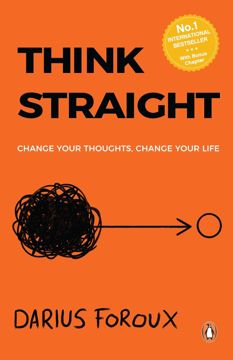
Darius Foroux · 112 pages
A short, no-nonsense guide to clearing the mental clutter that keeps you from making good decisions. Practical, direct, and surprisingly hard to argue with.
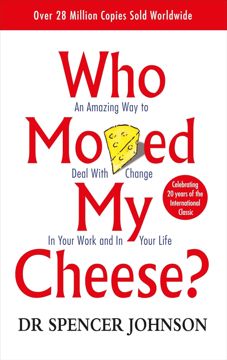
Spencer Johnson · 96 pages
A parable about two mice and two tiny humans in a maze, learning to deal with change. Simple enough for a child to read — useful enough to revisit at every career crossroads.
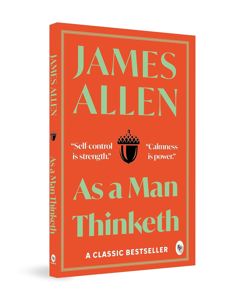
James Allen · 68 pages
Written in 1903 and still eerily relevant. Allen's core argument: your thoughts shape your circumstances far more than your circumstances shape your thoughts.
Spiritual & Philosophy
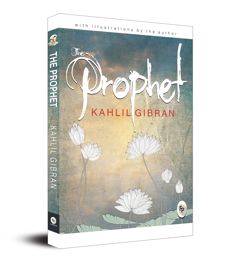
Kahlil Gibran · 107 pages
A departing sage answers the people's questions on love, work, death, and freedom. Poetic, ancient-feeling, and the kind of book you open to a random page when you need to hear something true.
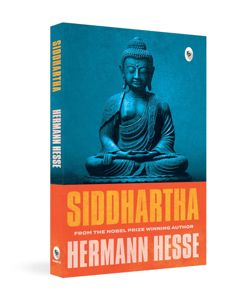
Hermann Hesse · 152 pages
A young man leaves comfort to seek meaning — through asceticism, wealth, love, and loss. Hesse's language is luminous, and the ending lands like a quiet thunderclap.
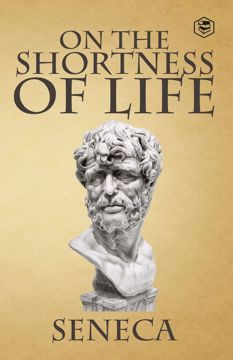
Seneca · 64 pages
Written two thousand years ago, and yet it reads like it was aimed at anyone who has ever said 'I don't have time.' Seneca's argument: life isn't short — we just waste most of it.
Memoir
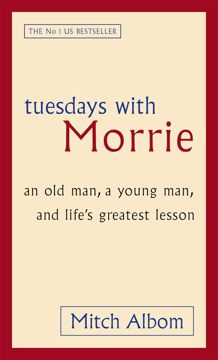
Mitch Albom · 192 pages
A journalist reconnects with his dying college professor and visits him every Tuesday. What follows is a quiet education in what actually matters — told without a single wasted sentence.
Business & Productivity
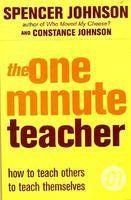
Spencer Johnson · 112 pages
A parable about a young teacher who learns three deceptively simple techniques from a mentor. Short, practical, and the kind of book that changes how you think about learning itself.
Why these are worth your day
None of this is an argument against long books — some stories genuinely need the room. The point is simpler: a short book isn't a lesser version of a long one. It's its own discipline, and when it's done well, it can move you just as deeply as anything three times its length. So the next time you're staring at an unread pile and craving the feeling of finishing something, pick one of these up.