10 Books to Start Exploring the Mystery of Consciousness

10 Books to Start Exploring the Mystery of Consciousness
From Ancient Wisdom to Modern Science and the Experience of "I Am"
By The Reading Room / Life & Habits
Every day, we experience countless things. We see, hear, think, feel, remember and imagine. Our thoughts change, emotions come and go, and the world around us is constantly changing.
Yet, through all these changing experiences, there is something remarkably familiar and constant — the simple sense that "I exist."
We rarely stop to question it.
We know our names, our identities, our relationships and the roles we play in life. But before all these descriptions, there is the immediate experience of being here.
What exactly is this experience?
When we say "I am thinking," who or what is this "I"? When thoughts disappear, does awareness disappear with them? Is consciousness something the brain produces, or could it be more fundamental to existence?
These questions may sound philosophical, but they arise from something we experience every single day.
And they are far from new.
An Ancient Question That Continues to Fascinate Us
Thousands of years ago, Indian sages were already investigating the nature of existence, awareness and the Self.
The Upanishads explored the relationship between Atman, the true Self, and Brahman, the ultimate reality. Their profound declarations, including Aham Brahmasmi — "I am Brahman" — became foundational to later developments in Indian philosophy, particularly Advaita Vedanta.
Other philosophical traditions approached these questions differently.
Buddhist thinkers examined the nature of experience while questioning the existence of a permanent, independent Self. Ancient Greek philosophers explored the relationship between the soul, knowledge and reality. Centuries later, René Descartes famously declared, "I think, therefore I am," placing the thinking subject at the centre of philosophical inquiry.
In the modern world, psychology, neuroscience and cognitive science have brought new methods to these age-old questions.
Scientists can now observe patterns of brain activity associated with perception, awareness and conscious experience. Yet the question of why physical processes should be accompanied by subjective experience remains a subject of intense debate.
And now, artificial intelligence has added another dimension.
As machines become increasingly capable of reasoning, communicating and solving complex problems, we are once again asking: Does intelligence necessarily imply consciousness? Could a machine ever experience anything?
Perhaps these technological developments are also encouraging us to revisit a much older question.
What does it really mean to say, "I exist"?
The following ten books offer different ways to begin exploring this mystery. They span ancient Indian wisdom, Western philosophy, neuroscience and contemporary discussions about consciousness.
They do not all agree with one another. Nor do they promise a final answer.
Instead, each opens a different window into one of the most familiar yet least understood aspects of our existence.
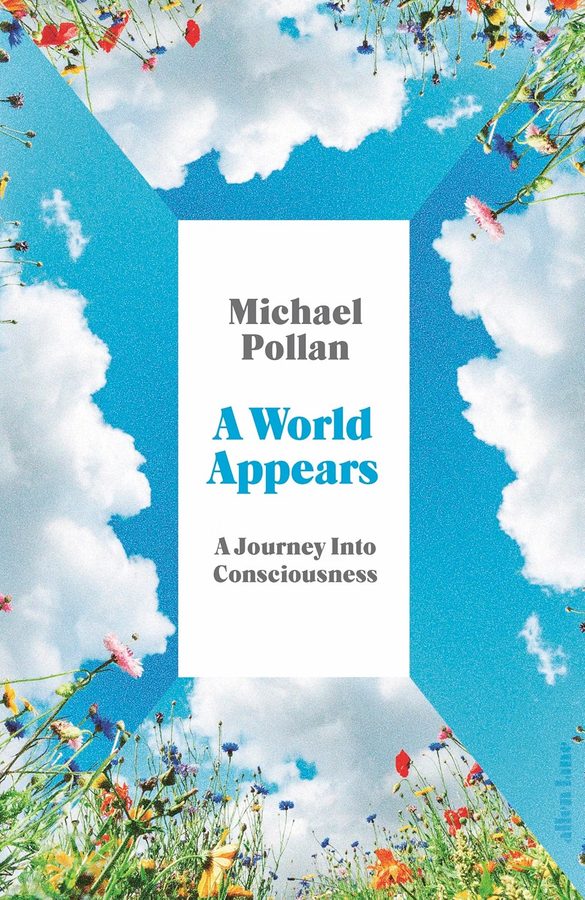
1. A World Appears: A Journey into Consciousness
Michael Pollan
What does it mean to experience the world?
In this contemporary exploration, Michael Pollan investigates consciousness through science, philosophy and the study of living beings.
The book examines how consciousness might arise, what distinguishes conscious experience from information processing, and whether forms of awareness might exist beyond human beings.
Pollan also considers how developments in artificial intelligence are changing the questions we ask about the mind.
Why read it? An engaging starting point for anyone curious about why consciousness remains such a fascinating mystery despite scientific progress.
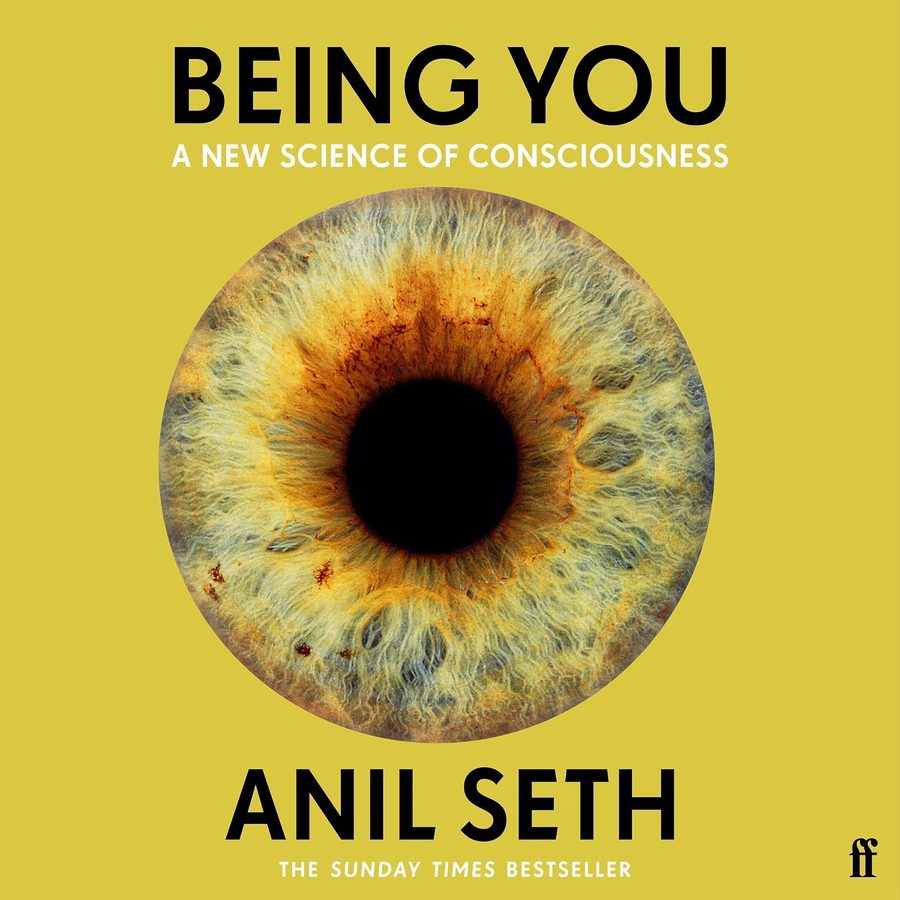
2. Being You: A New Science of Consciousness
Anil Seth
We assume that what we see, hear and feel is a direct reflection of the world around us.
But is it?
Neuroscientist Anil Seth explores how the brain and body shape our conscious experience. He explains how perception involves the brain's interpretations and predictions, and how our sense of being a particular person is closely connected to biological processes.
The book challenges the assumption that our experience of reality is simply a passive recording of the external world.
Why read it? To understand how modern neuroscience investigates the experience of being ourselves.
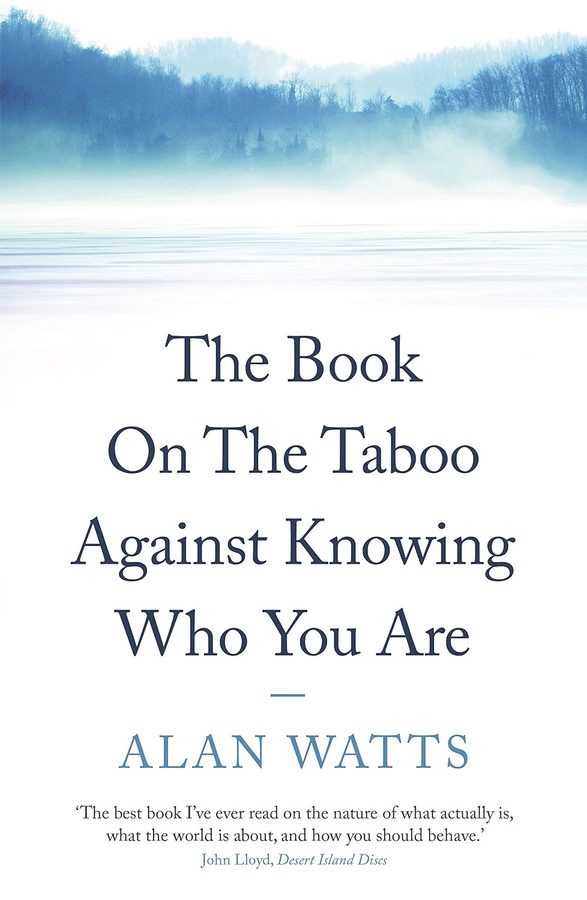
3. The Book: On the Taboo Against Knowing Who You Are
Alan Watts
Who are we, beyond our names, personalities and social identities?
Alan Watts challenges the conventional idea that each of us is an isolated individual, separate from the universe.
Drawing particularly from Vedanta and other Eastern philosophical traditions, he invites readers to reconsider the boundaries between the individual and the world.
His writing makes complex philosophical ideas accessible through everyday examples and engaging observations.
Why read it? To question assumptions about personal identity that we usually accept without much thought.
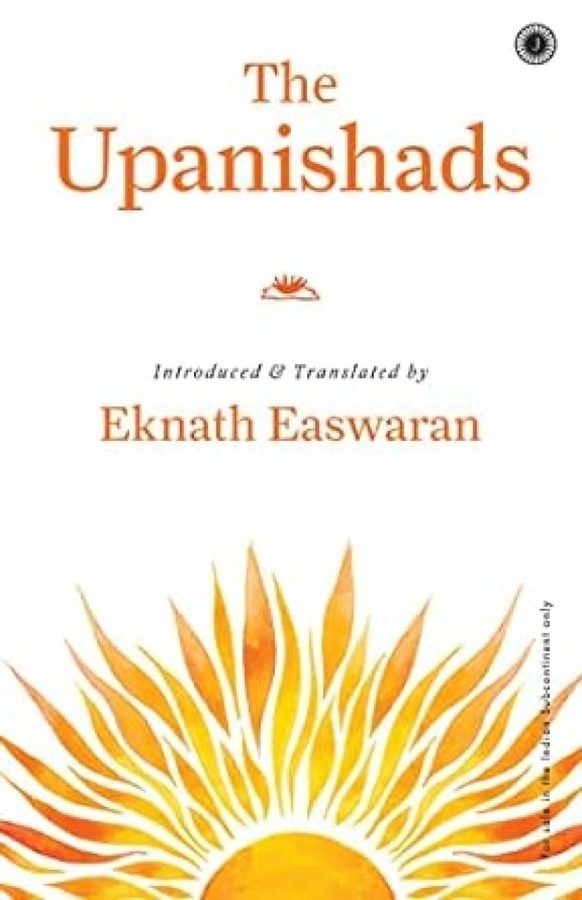
4. The Upanishads
Translated by Eknath Easwaran
Long before modern neuroscience, the sages of ancient India were exploring the fundamental nature of existence.
The Upanishads ask questions that remain deeply relevant: What is the Self? What is ultimate reality? Is there something unchanging beneath our constantly changing experiences?
Concepts such as Atman and Brahman, and declarations such as Tat Tvam Asi — "Thou Art That" — invite readers to examine the relationship between individual identity and the nature of reality.
Eknath Easwaran's translation provides an approachable introduction to these ancient texts.
Why read it? To discover how some of humanity's earliest surviving philosophical writings explored the nature of the Self and existence.
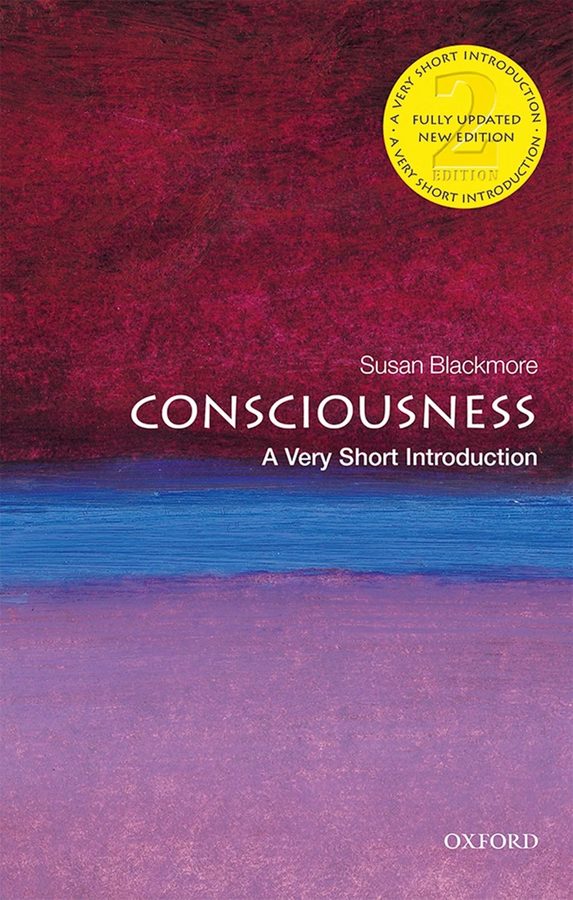
5. Consciousness: A Very Short Introduction
Susan Blackmore
We use the word consciousness frequently, but what exactly do we mean by it?
Is consciousness the ability to think? The awareness of our surroundings? The experience of being someone?
Susan Blackmore introduces readers to the major scientific and philosophical questions surrounding consciousness.
She examines subjective experience, the relationship between mind and brain, and the difficulties involved in explaining awareness.
Why read it? A concise and accessible introduction to the fundamental questions that make consciousness such a challenging subject.
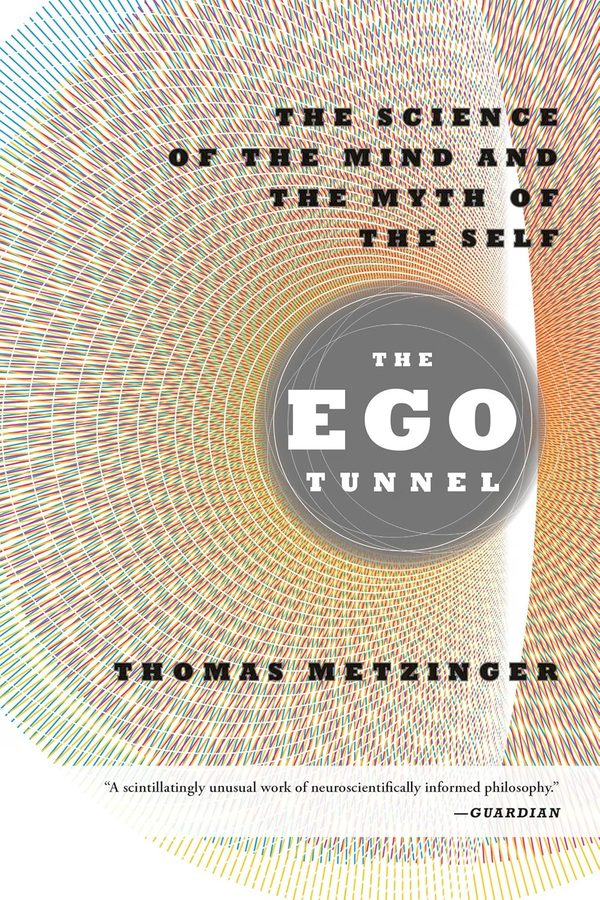
6. The Ego Tunnel
Thomas Metzinger
We experience ourselves as individuals with a continuous identity.
But what if this sense of Self is constructed by the brain?
Philosopher Thomas Metzinger explores how the brain creates a model of ourselves and the world, giving rise to the experience of being a particular person.
His argument challenges the idea that there must be a separate, permanent entity behind our thoughts and experiences.
Why read it? To explore the possibility that the familiar sense of "I" is not quite what we assume it to be.
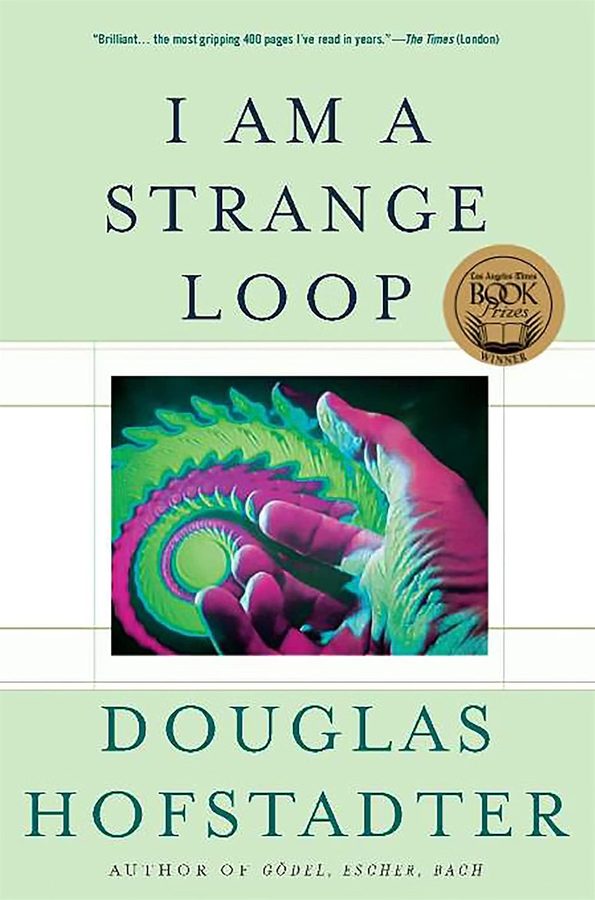
7. I Am a Strange Loop
Douglas Hofstadter
How does the sense of "I" arise?
Douglas Hofstadter approaches this question through cognitive science, philosophy and the idea of self-reference.
He explores how complex systems can develop patterns that refer back to themselves, and how such processes might contribute to our experience of personal identity.
The book offers an unusual perspective on the relationship between the physical brain and the sense of being someone.
Why read it? To explore a thought-provoking explanation of how the experience of "I" might emerge from complex mental processes.
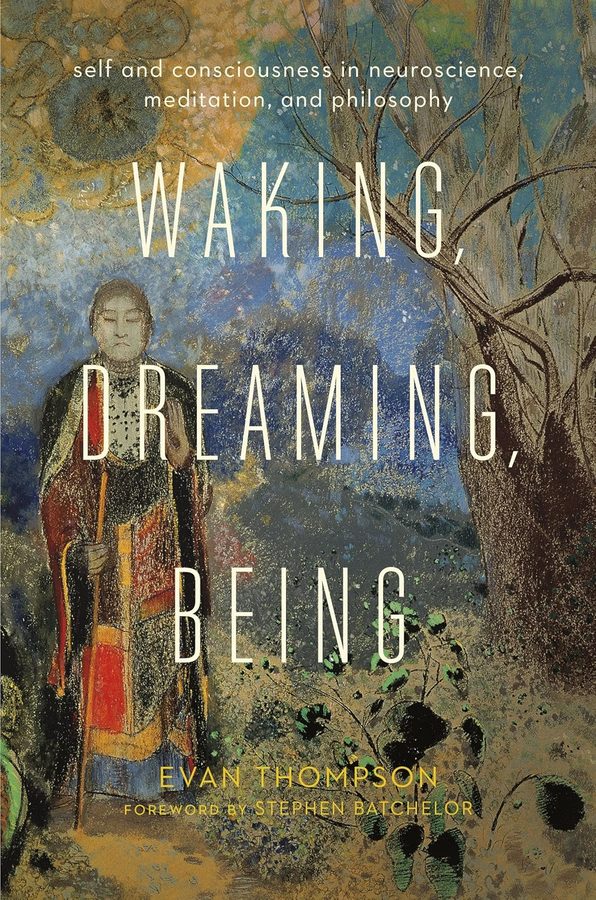
8. Waking, Dreaming, Being
Evan Thompson
What happens to our experience of Self when we dream? What about deep sleep or meditation?
Philosopher Evan Thompson explores consciousness across waking, dreaming and sleeping states.
Bringing together neuroscience, philosophy and contemplative traditions, particularly Indian and Buddhist thought, he examines how different states of experience challenge our assumptions about awareness and identity.
The book demonstrates how scientific and contemplative approaches can contribute to a broader investigation of consciousness, even when their interpretations differ.
Why read it? To explore consciousness beyond ordinary waking experience and discover how different traditions have investigated the mind.
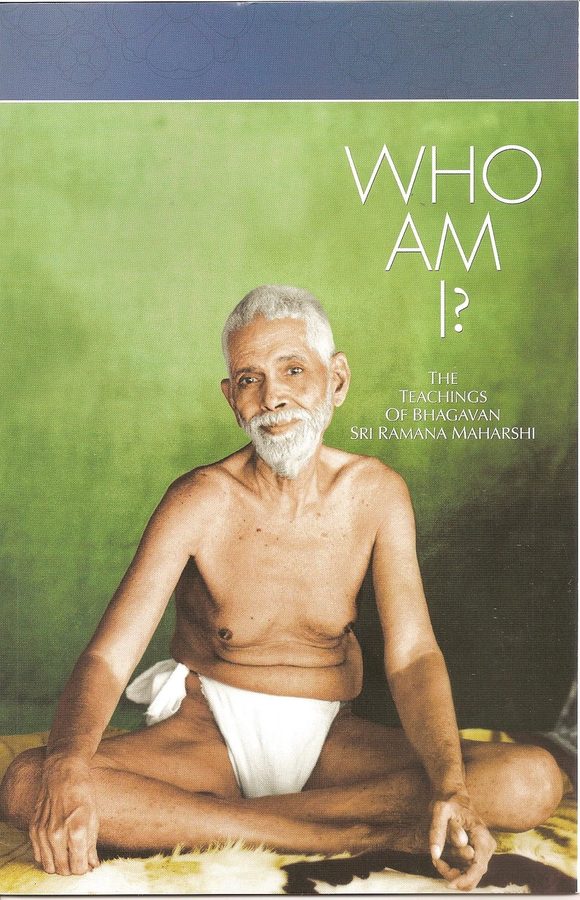
9. Who Am I?
Sri Ramana Maharshi
Most of us identify ourselves through our bodies, thoughts, memories, personalities and relationships.
But Sri Ramana Maharshi invites us to investigate the source of this identification.
His central question is deceptively simple:
Who am I?
Rather than providing an elaborate intellectual explanation, he introduces self-inquiry as a way of examining the sense of "I".
The text is short, but its central question can lead to prolonged reflection.
Why read it? To encounter a direct, contemplative approach to investigating the nature of the Self.
10. Jnana Yoga
Swami Vivekananda
What is the relationship between the individual Self and ultimate reality?
In Jnana Yoga, Swami Vivekananda explores some of the central ideas of Vedantic philosophy through lectures that combine reasoning, philosophical inquiry and spiritual insight.
He discusses the nature of reality, the relationship between the individual and the universal, and the possibility of understanding our true nature beyond ordinary identification with the body and mind.
The book introduces readers to Vedantic perspectives on consciousness and existence without requiring them to begin with highly technical philosophical texts.
Why read it? To explore how Vedanta approaches the relationship between consciousness, identity and the fundamental nature of reality.
Different Perspectives, One Enduring Question
These ten books approach consciousness from remarkably different directions.
Neuroscience investigates the brain processes associated with conscious experience.
Philosophers question the nature of subjective awareness and personal identity.
Some thinkers suggest that our sense of Self emerges from complex physical and cognitive processes.
Buddhist traditions challenge the assumption of a permanent, independent Self.
Advaita Vedanta offers a different perspective, identifying the true Self, Atman, with Brahman, understood as ultimate reality and pure consciousness.
These perspectives should not be mistaken for identical explanations. They sometimes share questions while offering fundamentally different answers.
And perhaps that is what makes the subject so fascinating.
The experience of existing is immediate and familiar, yet understanding its nature remains an extraordinary intellectual challenge.
Where Should You Begin?
There is no single correct starting point.
If contemporary science interests you, begin with A World Appears or Being You.
If you enjoy questioning your assumptions about identity, try Alan Watts's The Book or Thomas Metzinger's The Ego Tunnel.
If ancient philosophical inquiry appeals to you, begin with The Upanishads.
And if you are drawn to the simple question "Who am I?", Sri Ramana Maharshi's short text offers a very different kind of exploration.
You do not need to read all ten books, or follow a particular sequence.
Choose the question that interests you most, and begin there.
Time to Begin
No one has fully solved this puzzle, and that is exactly why it is worth exploring. Each of these books will probably leave you with a better question than the one you started with.
So pick one, read a few pages, and see where it takes you.
Happy reading!